Fat-Burner Pre-Workouts: How to Read the Claims and Compare Labels

Bucked Up Buck Naked black supplement bottle and retail box
Product packaging shown as an example discussed below. Check the current container label for its formula; ingredient research does not establish results for the finished product.

Affiliate disclosure: We may earn a commission from purchases through the commercial links below.

“Fat burner” describes a marketing category

A fat-burner pre-workout generally combines exercise-oriented ingredients with substances marketed for thermogenesis or weight management. That combination does not show that the finished powder causes extra fat loss. A useful comparison starts by separating three outcomes: feeling more alert, performing a workout, and changing body composition over time.

Those outcomes can move independently. A product can feel powerful without improving the training session. A session can improve without producing a measurable difference in body fat. The words “energy,” “metabolism,” and “fat oxidation” should not be treated as interchangeable promises.

Give each ingredient the right job

Caffeine has better-established exercise applications than most ingredients sold specifically for thermogenesis. Beta-alanine is studied as a regularly used supplement for certain high-intensity efforts; the immediate skin tingle is not proof of greater calorie expenditure. NIH’s exercise-supplement review is a more useful starting point than a list calling every ingredient clinically dosed.

For newer metabolic ingredients, ask whether the cited study measured body fat, a short-lived laboratory marker, or just absorption. Ingredient research also cannot validate a different multi-ingredient product by association. If a claim requires several leaps from cells to people to the product in your cart, treat it cautiously.

Commercial examples, with limits

Buck Naked label: a capsule formula. Buck Naked uses paraxanthine; caffeine-free does not mean free of stimulation.

LFG Burn label: a workout powder. LFG Burn contains caffeine and branded metabolic ingredients. Its positioning does not establish superior fat loss.

WOKE AF label: a high-stimulant pre-workout. WOKE AF currently lists 333 mg caffeine with dendrobium and synephrine. That is a reason to scrutinize exposure, not evidence that it is a better cutting supplement.

A buying checklist that avoids hype

  • Write down your goal before reading marketing copy. Look for studies that actually measure that outcome.
  • Compare the complete serving, rather than selecting the product with the longest trademark list.
  • Read warnings and account for coffee, energy drinks, and other supplements.
  • Do not combine these products to make a stronger thermogenic stack.
  • Compare cost per labeled serving and check whether checkout selects a subscription.

For most adults, FDA cites 400 mg caffeine daily as an amount not generally associated with negative effects. It is not a target, a single-dose guarantee, or a safety limit for mixtures of stimulants. Sensitivity varies.

The sensible bottom line

Choose a pre-workout only if its practical use justifies its cost and risks. It need not carry a fat-loss claim to fit a training routine. Current Bucked Up offers may change; verify the final price rather than assuming an automatic discount. Persistent fatigue or difficulty managing weight is worth discussing with a qualified professional instead of escalating the stimulant load.

Sources and label checks

Sources checked October 11, 2026. Compare the Supplement Facts on your exact product; formulas and offers can change.

Posted in Energy, Pre Workout, Supplements | Tagged , , , , | Comments Off on Fat-Burner Pre-Workouts: How to Read the Claims and Compare Labels

Pre-Workout vs Creatine: Differences, Timing and Choosing One

WOKE AF high-stimulant pre-workout tub with black label
Product packaging shown as an example discussed below. Check the current container label for its formula; ingredient research does not establish results for the finished product.

Affiliate disclosure: We may earn a commission from purchases through the Bucked Up links below.

The short answer

Creatine is a specific compound. Pre-workout is a product category that can contain many different ingredients, sometimes including creatine. Choosing between them starts with what you want to support, not which tub produces a stronger sensation.

For repeated short, intense efforts, creatine has a clearer evidence base than the broad promise of a multi-ingredient pre-workout. For an optional pre-session alertness effect, caffeine-containing products address a different goal. Neither purchase is required to start training.

Creatine: a daily habit rather than an instant kick

The NIH sports-supplement fact sheet describes benefits of creatine for high-intensity intermittent activity. Creatine monohydrate is the extensively studied form. A common maintenance intake in research is 3–5 g daily; loading is optional. Early scale increases can reflect water retention, not fat gain.

The practical advantage of a standalone product is flexibility: you can take it on rest days without also taking stimulants. Choose a clearly stated amount per serving, and compare cost per daily amount rather than container size or the word “premium.”

Affiliate product example: Bucked Up Creatine Monohydrate. Use the manufacturer’s product details to check serving information and current purchasing options. This is an example, not evidence that this brand works better than other accurately labeled creatine monohydrate products.

Pre-workout: inspect what is actually inside

A pre-workout label may combine caffeine, amino acids, flavoring and numerous branded ingredients. Do not infer that every component is needed or that a longer label is better. Beta-alanine research concerns repeated supplementation; tingling is not proof of an effective workout. Evidence for citrulline performance benefits is mixed.

WOKE AF is one branded comparison option. Read its current formula and warnings before considering a purchase. A high-stimulant product is not the default answer to fatigue, and this comparison does not establish that you need one.

What if your pre-workout includes creatine?

Read the amount per serving and calculate your total across products. An ingredient appearing on the label does not necessarily supply the daily amount you intended. Also consider whether you would be taking unnecessary stimulants on days you do not train.

For Black Ant Pre-Workout, check the current ingredient panel rather than assuming older descriptions apply. Its product listing should be assessed as a complete mixture; the inclusion of creatine, if present on your version, would not verify every other performance claim.

A simple decision process

  • Write down the specific benefit you are seeking and whether your training makes it relevant.
  • Check total daily ingredients across every supplement you already use.
  • Set a budget that leaves food and training essentials covered first.
  • Judge progress through your program and recovery, not a tingling or buzzing sensation.

PUMP-OCALYPSE is another optional formula to inspect through its product details and current listing. It should not be added automatically. Ask a clinician about supplements if you have a health condition or take medication. Using both categories is a choice, not a requirement.

Posted in Bucked UP, Pre Workout | Tagged , , , , , , , , , , , , , , , , , , , , , , , | Comments Off on Pre-Workout vs Creatine: Differences, Timing and Choosing One

FLAME Pre-Workout: Dark Labs Ingredients and Safety Questions

WOKE AF high-stimulant pre-workout tub with black label
Bucked Up product discussed as a comparison below; this is not the competitor product named in the title.

Affiliate disclosure: We may earn a commission from purchases through the Bucked Up links below.

What is FLAME pre-workout?

FLAME is a pre-workout sold by Dark Labs, not a generic category of thermogenic supplements. Searches and reviews may refer to different versions. The current Dark Labs product page uses a V3 web address while displaying the name FLAME and 25 servings. That is a reason to inspect the actual tub rather than assume every review describes your purchase.

What the current listing contains

The manufacturer’s full-serving summary states 400 mg total caffeine, 1,000 mg agmatine sulfate, 500 mg arginine alpha-ketoglutarate and 300 mg beta phenethylamine. Its longer table also lists Juglans regia extract, N-phenethyldimethylamine citrate and alpha-yohimbine. These are manufacturer-listed quantities, not an independent laboratory verification of a batch.

Do not add the weights of caffeine anhydrous and caffeine citrate as though both were pure caffeine. Use the declared total and seek clarification if the physical label differs. The product-specific table also deserves more weight than a broad category description that may name ingredients from other formulas.

Why the stimulant profile matters

The FDA cites 400 mg per day as an amount generally not associated with negative effects for most adults. That is not a recommended single serving, a target, or an assurance about a blend containing other stimulants. Coffee tolerance does not establish tolerance to FLAME’s complete formula.

The current online ingredient table does not explicitly list DMHA. Do not assume that establishes the composition of older or differently labeled versions. If a product’s label lists DMHA or one of its aliases, the FDA considers DMHA an unsafe food additive and supplements containing it adulterated in the United States. Botanical naming alone cannot verify what a particular batch contains.

A sensible buying checklist

  • Obtain a clear photo of the full label for the exact item being sold.
  • Check the manufacturer, version, serving size, lot and expiration date.
  • Do not purchase on the strength of promises about euphoria, sweating or an unusually powerful feeling.
  • Do not combine FLAME with another stimulant product or use it to compensate for missed sleep.
  • For medication use or a medical condition, get a professional label review before use.

A product marketed toward experienced users does not become risk-free through experience. This overview does not recommend FLAME for fat loss, and a feeling of warmth would not demonstrate meaningful fat reduction.

Other products: keep the comparison separate

Our affiliate links to WOKE AF, BAMF and Bucked Up Original are separate shopping options, not evidence that they outperform FLAME. Evaluate each label on its own terms.

View the linked Bucked Up sample offer if you want to check its current contents; a sample is not a safety test. See current Bucked Up promotions for any available offer. No particular discount or eligibility is guaranteed.

Posted in Supplements | Tagged , , , , | Comments Off on FLAME Pre-Workout: Dark Labs Ingredients and Safety Questions

Yohimbine vs. Rauwolscine: Evidence, Risks, and Label Differences

Mother Bucker high-stimulant pre-workout tub with black label
Product packaging shown as an example discussed below. Check the current container label for its formula; ingredient research does not establish results for the finished product.

Affiliate disclosure: We may earn a commission from purchases through the commercial links below.

There is no proven winner for fat loss

Yohimbine and rauwolscine are related alkaloids found in the supplement market. Rauwolscine is also called alpha-yohimbine. Their chemical relationship does not establish equivalent doses, equal safety, or a reliable ranking for weight loss. Neither should be chosen on the promise that it selectively removes belly fat.

Yohimbe bark, a variable botanical extract, is also not interchangeable with a measured amount of isolated yohimbine. A product name on the front of a bottle may conceal these important distinctions. Check the complete ingredient panel rather than relying on a comparison chart that treats every form as the same substance.

What the evidence can support

The alpha-2 adrenergic mechanism commonly discussed in marketing is a biological rationale, not a demonstration of meaningful, lasting weight reduction. NCCIH reports insufficient evidence that yohimbe supplements are effective for obesity or athletic performance. Robust human comparisons establishing rauwolscine as a better or safer fat-loss option are lacking.

Statements such as “more potent per milligram” are particularly unhelpful without a defined outcome. Stronger receptor activity, greater subjective stimulation, and better body-composition results are different questions. A sharper sensation during cardio cannot answer the last one.

Safety matters more than intensity

NCCIH links yohimbine with serious adverse effects, including abnormal heart rhythms, blood-pressure problems, heart attacks, and seizures. It also warns about interactions with certain antidepressants. These concerns make a casual starting-dose or fasted-cardio protocol inappropriate. Ask a clinician or pharmacist to review the exact formula and your medicines before considering it.

Do not assume stimulant tolerance protects the cardiovascular system. Avoid combining adrenergic ingredients with additional pre-workouts or energy products. Chest pain, fainting, or severe palpitations warrant urgent medical attention rather than another experiment with a smaller scoop.

How the linked products fit

Mother Bucker product details list rauwolscine alongside substantial caffeine. This is a commercial example, not a recommendation for cutting or for people who are new to stimulants.

Buck Naked is a different formulation. Its caffeine-free description should not be read as stimulant-free: it uses paraxanthine. Review the current Buck Naked label rather than treating it as a medically safer substitute.

Check current Bucked Up offers. Any discount, eligibility restriction, or shipping charge must be confirmed at checkout.

A practical decision

Before choosing Mother Bucker or Buck Naked, identify the actual problem you are trying to solve. A fat-loss plateau, poor sleep, and low training energy call for different approaches. Buying a stronger sensation is not a substitute for understanding that problem. Skipping either product is a reasonable decision when the expected benefit is uncertain and the stimulant exposure is unnecessary.

Sources and label checks

Sources checked October 11, 2026. Compare the Supplement Facts on your exact product; formulas and offers can change.

Posted in Ingredients, Pre Workout, Supplements | Tagged , , , , | Comments Off on Yohimbine vs. Rauwolscine: Evidence, Risks, and Label Differences

INHUMAN Pre-Workout: AfterDark Formula and Label Checks

Mother Bucker high-stimulant pre-workout tub with black label
Bucked Up product discussed as a comparison below; this is not the competitor product named in the title.

Affiliate disclosure: We may earn a commission from purchases through the Bucked Up links below.

INHUMAN is an AfterDark product

INHUMAN pre-workout is a named supplement from AfterDark Supplements. Treating the name as a general term for an extreme workout misses what shoppers are trying to find. This is a label-based overview, not a hands-on taste test or a promise that the formula will improve your training.

The manufacturer’s current INHUMAN page describes a multi-ingredient powder and also sells INHUMAN PYRO separately. Match the exact product name and label on your container rather than borrowing a review of another version.

A caffeine detail worth clarifying

The page calls its energy blend a 400 mg caffeine matrix, but the ingredient description says it yields 375 mg caffeine. Those are different quantities: the weight of caffeine-containing ingredients need not equal the caffeine delivered. The page also lists alpha-yohimbine and theobromine. Ask AfterDark to confirm the total caffeine and complete current Supplement Facts panel for your batch before relying on either headline number.

Its description lists 5,000 mg citrulline malate, which should not be rewritten as 5,000 mg pure L-citrulline. The amount of malate matters. A large-looking number is not enough to establish that a finished mixture produces a particular performance benefit.

How to evaluate the formula

  • Check the serving weight, scoop instructions, warnings, lot and expiration date on the tub.
  • Separate ingredient quantities from advertised outcomes. A claim about focus, pumps or an absence of a crash is not a guarantee.
  • Ask whether the evidence concerns this complete formula or only an ingredient studied in a different setting.
  • Keep a record of the label you actually bought. Website text and older reviews can describe different formulations.

Stimulation is not a useful substitute for tracking completed training, recovery and sleep. You do not need to progress to a higher-stimulant product simply because you have been lifting longer. Being accustomed to a sensation is also not proof that a combination is low risk.

Caution before use

The FDA’s caffeine guidance emphasizes that sensitivity varies. A high-caffeine pre-workout can leave little room for other sources. Do not combine it with energy drinks, stimulant fat burners or extra caffeine. If you take medication or have a health condition, have a pharmacist or clinician review the complete label. Do not use an unresolved label discrepancy as an invitation to estimate a dose yourself.

Optional comparison shopping

The affiliate links here lead to Bucked Up products, not INHUMAN. Compare Mother Bucker and WOKE AF only using their own current labels; neither is an automatic upgrade or a required alternative. Compare total stimulants, serving cost and warnings rather than marketing intensity.

Check Bucked Up’s current offers. Prices, eligibility and discounts must be confirmed at checkout. The practical takeaway is to resolve INHUMAN’s exact label first, then decide whether you need a stimulant supplement at all.

Posted in Supplements | Tagged , , , , | Comments Off on INHUMAN Pre-Workout: AfterDark Formula and Label Checks

Rauwolscine in Pre-Workout: Limited Evidence and Mother Bucker’s Label

Mother Bucker high-stimulant pre-workout tub with black label
Product packaging shown as an example discussed below. Check the current container label for its formula.

Rauwolscine, often called alpha-yohimbine, is an alkaloid found in some high-stimulant pre-workouts and fat-loss supplements. It has alpha-2 adrenergic antagonist activity, but that mechanism does not establish an effective fat-loss treatment or a safe supplement dose.

Affiliate disclosure: Purchases through the Bucked Up links below may earn us a commission. This article evaluates published information; it is not a personal product test.

What does the human research show?

Much of the background discussion rests on pharmacology, including research comparing alpha-adrenoceptor antagonists. Changes in receptor signaling should not be translated directly into promises of reduced body fat, appetite control or greater strength.

A 2023 conference abstract from Samford University researchers describes a double-blind crossover study in 14 resistance-trained men. They compared 2 mg rauwolscine with placebo before exercise testing. Reaction time improved, while jump height, peak power and peak force did not show significant improvements.

That small, acute experiment is not a long-term weight-loss study or a comprehensive safety trial. It also is a conference abstract, not a detailed published trial report. Its findings do not justify claims that rauwolscine reliably enhances muscle growth, recovery or fat loss, and they cannot establish how a multi-stimulant product will affect an individual.

What Mother Bucker currently lists

The current manufacturer page for Mother Bucker Pre-Workout lists 2 mg rauwolscine per serving. It also lists 400 mg total caffeine, divided between 300 mg caffeine anhydrous and 100 mg delayed-release caffeine. The small milligram number for rauwolscine should not be described as a “conservative” or proven safe dose.

The manufacturer advises against additional caffeine while using the product. Its full-serving caffeine amount already equals the 400 mg daily level the FDA cites for most adults as generally not associated with negative effects. That population-level reference is neither a target nor assurance that one 400 mg serving, especially with other stimulants, is appropriate for you.

Rauwolscine and yohimbine are related, not interchangeable

NCCIH describes significant safety concerns for yohimbe and yohimbine, including cardiovascular effects and medication interactions. Those findings should not be presented as if they directly measured every risk of rauwolscine. Equally, limited rauwolscine research does not prove that it avoids those concerns or is a gentler alternative.

A clinician or pharmacist should review the complete ingredient list if you take medications or have cardiovascular, blood-pressure or anxiety-related conditions. Avoid self-experimentation during pregnancy or breastfeeding. Do not combine rauwolscine with extra yohimbine, fat burners or additional stimulant pre-workouts.

Choosing a simpler approach

Original Bucked Up Pre-Workout is a different product, not a product to stack on top of Mother Bucker. Compare its current label separately, including caffeine, and remember that choosing less stimulation does not require replacing every ingredient with another supplement.

If reviewing Mother Bucker’s current label, assess the whole formula rather than isolating the 2 mg number. If comparing the original Bucked Up formula, consider whether any caffeinated pre-workout fits your sleep, health history and daily caffeine intake.

The Bucked Up storefront may show current promotions. Confirm the final price and terms; a guaranteed automatic 20% discount has not been verified.

The takeaway

Rauwolscine is not an essential training ingredient. Human exercise evidence remains limited, and a stronger stimulant sensation is not proof of a better workout. There is no established basis here for a cycling schedule, fasting protocol or do-it-yourself dose escalation. Stop use if adverse symptoms occur; chest pain, fainting or severe palpitations need urgent medical assessment.

Posted in Supplements | Tagged , , , , , | Comments Off on Rauwolscine in Pre-Workout: Limited Evidence and Mother Bucker’s Label

Muscle-Building Pre-Workout: What Helps and What Is Optional

Bucked Up Original pre-workout tub in Miami flavor
Product packaging shown as an example discussed below. Check the current container label for its formula.

A muscle-building pre-workout is a marketing category, not a guarantee of muscle growth. A supplement may support an aspect of training, but progressive resistance exercise, adequate food and recovery still determine the context in which muscle can grow.

Affiliate disclosure: We may earn a commission through the Bucked Up links in this article. The comparisons below use published labels and research, not a hands-on product test.

Put the ingredients in the right order

Creatine monohydrate: This is a well-studied option for supporting repeated high-intensity exercise and adaptations to resistance training. An eight-week randomized trial in resistance-trained men found greater gains in lean tissue with creatine than placebo during training. That is evidence for creatine in a training program, not proof that every pre-workout containing it has been clinically tested.

Common maintenance use is 3–5 g daily, rather than taking an extra scoop only when you want a harder session. Creatine need not come in a stimulant product; a separate powder makes daily use and dose accounting simpler. People with medical conditions or medication questions should discuss supplementation with their clinician.

Caffeine: It can support some exercise performance outcomes, but does not directly establish greater muscle growth. More is not automatically better. Consider sleep and all other caffeine sources when deciding whether a caffeinated pre-workout is useful.

Beta-alanine and pump ingredients: Beta-alanine works through repeated intake and muscle carnosine accumulation, rather than an immediate tingling-based effect. Citrulline research is mixed. A pump, flush or strong sensation is not a measurement of hypertrophy. The NIH exercise-supplement fact sheet separates these ingredient-specific findings and their limitations.

Original Bucked Up: do not assume it supplies creatine

Original Bucked Up Pre-Workout is one option to compare for pre-training use. The current manufacturer information describes it as creatine-free. Someone choosing the original Bucked Up formula would need to account for creatine separately if they wanted to include it in their routine.

That separation can be useful: a daily creatine habit does not require daily caffeine. It also lets you decide that a normal meal and water are sufficient before a particular workout, without disrupting the rest of your supplementation plan.

Black Ant: read the two-scoop numbers carefully

Black Ant Pre-Workout is a different Bucked Up formula that includes creatine. Its current manufacturer page lists 5 g creatine monohydrate and 300 mg caffeine per full two-scoop serving. It also lists 6 g L-citrulline, 4 g beta-alanine and additional ingredients.

For Black Ant, the manufacturer gives 150 mg caffeine at one scoop. Reducing the amount of powder also reduces the other ingredient amounts; one scoop should not be described using the full two-scoop creatine number. The presence of black ant extract or branded blends does not itself prove superior muscle gain.

Keep the routine simple

A separate creatine monohydrate product is an alternative way to manage creatine intake. If your chosen pre-workout already supplies it, count that amount before adding more. There is no need to take a high-caffeine formula on rest days simply to obtain creatine.

  • Choose one pre-workout, if needed, and follow its label rather than combining overlapping stimulant products.
  • Record actual serving sizes and total caffeine and creatine, including other supplements.
  • Track loads, repetitions, sleep and recovery over several weeks. A single energized session does not establish faster muscle growth.
  • Compare cost per serving you actually use. A tub advertised as 40 single scoops may provide only 20 full two-scoop servings.

The Bucked Up storefront lets you compare current options. Check checkout pricing, subscription settings and restrictions; an automatic 20% saving has not been confirmed.

Bottom line

Choose a supplement to fill a specific need, not to assemble the longest ingredient list. Creatine can fit a muscle-building program, caffeine is optional, and neither replaces consistent training. A product that disrupts sleep or causes unpleasant symptoms is a poor fit even if its label looks impressive.

Posted in Ingredients, Pre Workout, Supplements | Tagged , , , , | Comments Off on Muscle-Building Pre-Workout: What Helps and What Is Optional

Bitter Orange and Synephrine: Evidence, Extract Labels and Safety

WOKE AF high-stimulant pre-workout tub with black label
Product packaging shown as an example discussed below. Check the current container label for its formula.

Bitter orange is Citrus aurantium, a plant used in foods and sold in concentrated supplements. Its fruit contains p-synephrine. That botanical origin does not mean a concentrated weight-loss capsule or pre-workout has the same safety profile as ordinary food.

Affiliate disclosure: We may earn a commission if you buy through the Bucked Up links in this article.

What the evidence can actually tell you

NCCIH’s review of bitter orange reports that weight-loss benefits remain unclear and that sports-performance findings are inconsistent. Many trials involve small groups or multi-ingredient products. Improvements cannot automatically be attributed to bitter orange when the same product contains caffeine or other active ingredients.

It is useful to separate three questions: does an ingredient change a laboratory measurement, does it improve a meaningful workout outcome, and does repeated use improve body composition? A positive answer to the first is not enough to answer the other two. Bitter orange should not be presented as a reliable way to preserve muscle during a diet or speed up recovery.

How to read an extract label

A label might list the weight of bitter orange extract, a percentage standardized to synephrine, or a separate synephrine ingredient. These are different pieces of information. For example, 100 mg of extract standardized to 10% synephrine would nominally supply 10 mg synephrine; that arithmetic is an illustration, not a recommended amount.

Check the serving size and whether the number refers to one capsule, several capsules or a scoop. If neither standardization nor synephrine content is disclosed, you cannot calculate the amount from the extract weight alone. Even an explicit number is a label claim: NCCIH describes FDA testing that found substantial discrepancies between stated and measured synephrine in some products.

Why stacking is the wrong default

The RIVM assessment of synephrine highlights potentially amplified effects with caffeine and exercise. This is a reason to be cautious about combinations, not a reason to save them for the hardest conditioning session. Avoid adding a separate bitter-orange supplement to a stimulant pre-workout or fat burner without individualized professional advice.

Reports of serious cardiovascular events have involved bitter-orange products, often containing several ingredients; they do not establish that synephrine alone caused each event. They also do not justify assurances of cardiovascular safety. Ask a clinician or pharmacist about the complete formula if you take medication, particularly with heart or blood-pressure conditions. Pregnancy and breastfeeding are additional reasons to avoid self-experimentation.

Different Bucked Up formulas are not interchangeable

WOKE AF is marketed with synephrine HCl and 333 mg caffeine per serving. Its stimulant combination should not be described as a low-jitter or low-risk route to weight loss.

Buck Naked is marketed as caffeine-free but its current formula includes 150 mg paraxanthine per serving. Caffeine-free therefore does not mean free of stimulating ingredients or appropriate before bed.

LFG Burn currently lists 300 mg caffeine per serving. Its marketing as a thermogenic product does not establish greater fat loss than a nutrition and exercise plan alone. Always compare the actual version and container label.

Bottom line

Bitter orange is an optional supplement ingredient with unresolved benefit and safety questions. There is no need to build a “synephrine protocol” to make progress with training or weight management. If the label or interaction profile is unclear, choosing a simpler product, or no pre-workout, is reasonable.

The Bucked Up storefront is available for comparison. Promotions and eligibility can change; check the checkout total rather than assuming a 20% discount applies.

Posted in Supplements | Tagged , , , , | Comments Off on Bitter Orange and Synephrine: Evidence, Extract Labels and Safety

Chemix Pre-Workout: V3 Ingredients, Safety Questions and Comparisons

Bucked Up Original pre-workout tub in Miami flavor
Bucked Up product discussed below; this is not the competitor product named in the title.

Chemix is a supplement brand, and CHEMIX Pre-Workout V3 is a specific product. “Chemix-style” is not a recognized formula category. If you are considering it, identify the version and review the complete label rather than assuming it contains a standard combination of caffeine, citrulline and beta-alanine.

Affiliate disclosure: We may earn a commission from purchases through the Bucked Up links below. Chemix and Bucked Up are separate brands.

What the manufacturer’s V3 page lists

The official Chemix V3 page lists citrulline, betaine, kanna, DMAE, lion’s mane, caffeine anhydrous and caffeine citrate, among other ingredients. Its list also includes halostachine, N-isopropylnorsynephrine, theophylline and alpha yohimbine. These details warrant more scrutiny than a generic description of “energy and focus.”

The accessible written list does not provide a clear all-source caffeine amount or individual doses for every ingredient. Do not invent those numbers from an older review or assume the weight of caffeine citrate equals the amount of caffeine it supplies. The physical package and current manufacturer clarification are essential before any dose comparison.

A specific stimulant concern

The FDA substance database identifies isopropylnorsynephrine as a synonym of deterenol. An entry in that database is an identity record, not FDA approval.

A 2021 laboratory study in Clinical Toxicology examined supplements labeled with deterenol or its synonyms and found multiple experimental stimulants and combinations with unknown safety. The authors also described serious adverse events associated with other stimulant products containing deterenol. That research did not establish the contents or effects of the current Chemix V3 product.

The distinction matters: we are flagging a concern raised by the manufacturer’s listed ingredient, not claiming to have laboratory-tested Chemix. We would avoid a pre-workout listing deterenol or N-isopropylnorsynephrine rather than experiment with it or attempt to make it acceptable by reducing the scoop.

How to assess an alternative

  • Request the complete panel: A front-label claim or ingredient summary is insufficient when stimulant amounts are unclear.
  • Separate familiarity from evidence: A scientific-sounding ingredient name or long formula does not establish a benefit for the finished product.
  • Check the exact version: A V3 product should not inherit dosing claims from an earlier Chemix release.
  • Avoid automatic stacking: Adding an energy drink or another pre-workout creates a different combination from either product on its own.

Where Bucked Up fits in the comparison

Bucked Up Pre-Workout is a separate option to evaluate using its own current ingredient panel. There is no basis here for promising the same experience as Chemix or claiming that one brand has proved superior in a head-to-head trial.

BAMF is marketed around a high-stimulant, nootropic-focused formula. If that is the category you are considering, the BAMF product page provides the manufacturer’s current details. More stimulation is not a useful goal by itself, and neither a label nor a positive review guarantees individual tolerability.

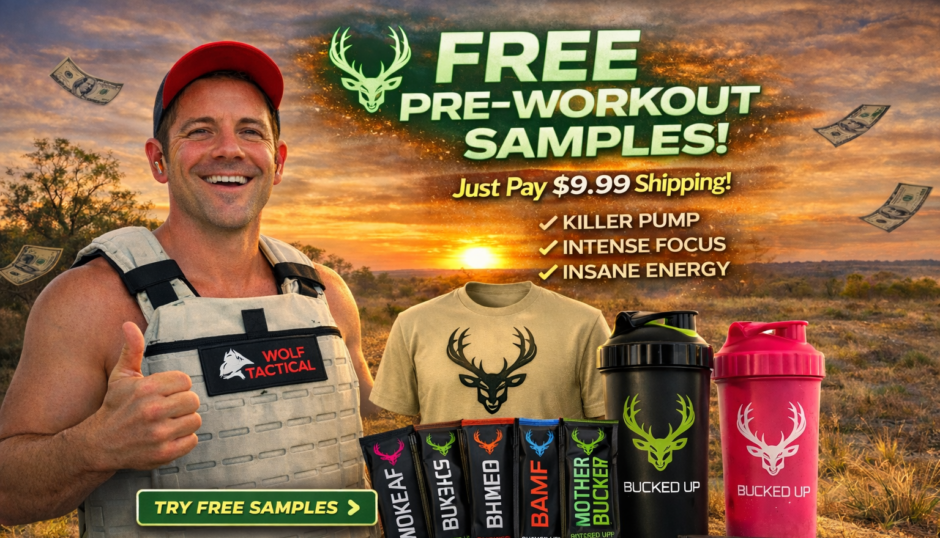
The Bucked Up sample-kit offer is an option for checking the current included products, eligibility and total cost before buying a full tub. Read each sample’s label separately and do not combine samples to recreate another formula.

You can also review the Bucked Up store for current options. Prioritize clear dosing and a well-understood ingredient profile. A discount, branding claim or sample size does not settle a formula’s safety questions.

Posted in Pre Workout, Supplements | Tagged , , , , | Comments Off on Chemix Pre-Workout: V3 Ingredients, Safety Questions and Comparisons

Synephrine HCl in Pre-Workout: Label Meaning, Evidence and Risks

WOKE AF high-stimulant pre-workout tub with black label
Product packaging shown as an example discussed below. Check the current container label for its formula.

Synephrine HCl is the hydrochloride salt of synephrine, an ingredient found on some stimulant and weight-management supplement labels. The name describes a chemical form; it does not establish that a product burns meaningful amounts of body fat or is safer than another stimulant.

Affiliate disclosure: We may earn a commission from purchases through the Bucked Up links below.

What does the HCl part mean?

HCl means hydrochloride. PubChem identifies synephrine hydrochloride separately from free-base synephrine. That distinction matters when reading an ingredient list, but it is not a quality certificate. The term alone does not prove plant sourcing, purity, laboratory-tested potency or superior absorption.

p-Synephrine occurs naturally in bitter orange. An extract can contain other compounds as well, whereas a label naming synephrine HCl specifies a chemical ingredient. Do not assume that an extract weight and a synephrine ingredient weight are interchangeable, or that differently named forms have identical supporting research.

Does it improve fat loss or workouts?

The strongest reason for caution is the gap between a proposed mechanism and a demonstrated outcome. A short-term change in energy expenditure is not the same as losing body fat over months. Likewise, feeling stimulated does not prove that a supplement improves strength, recovery or training quality.

NCCIH’s bitter orange evidence summary finds unclear weight-loss results and inconsistent sports-performance results. Many studies are small or test combinations, making it difficult to isolate synephrine. This does not support claims of guaranteed appetite suppression, faster cutting or better sessions without jitters.

Caffeine combinations need particular care

The Dutch RIVM risk assessment warns that synephrine’s effects may be magnified by caffeine and physical activity. There is no sensible basis here for recommending a do-it-yourself stimulant stack. A suggested serving size on a tub also is not an independently established safe dose for every person.

If you take medication, have a cardiovascular condition or high blood pressure, or are pregnant or breastfeeding, discuss the actual product with a clinician before considering it. Stop using a product that causes concerning symptoms. Chest pain, fainting or severe palpitations warrant urgent medical attention rather than another attempt at a lower serving.

What the linked Bucked Up products actually represent

WOKE AF is a relevant example because its current manufacturer description lists synephrine HCl alongside caffeine and dendrobium. The WOKE AF product information lists 333 mg caffeine per serving. That describes the formula, not proof that its combination is safe or useful for fat loss.

Buck Naked uses a different ingredient approach. Its current description lists paraxanthine, so the manufacturer’s caffeine-free wording should not be read as stimulant-free. Check the Buck Naked label and warnings rather than treating it as an automatic substitute for someone avoiding stimulants.

LFG Burn is another separate formula, currently advertised with 300 mg caffeine per serving. The LFG Burn product details should be assessed on their own; “thermogenic” does not mean low-stimulant or clinically proven weight loss.

A practical buying decision

Before choosing a synephrine-containing pre-workout such as WOKE AF, ask whether you need that ingredient at all. Compare the exact container label, total stimulants, your medications and the evidence for your goal. Training consistency and a sustainable nutrition plan remain more important than the intensity of a stimulant sensation.

You can view Bucked Up’s current storefront or check current Bucked Up offers. Verify the final price, restrictions and any subscription selection at checkout; an automatic 20% discount has not been confirmed.

Posted in Supplements | Tagged , , , , | Comments Off on Synephrine HCl in Pre-Workout: Label Meaning, Evidence and Risks



