Pathogen Pre-Workout: Outbreak Nutrition’s Formula and Label Checks

Bucked Up Hydration Strawberry Lemonade box and drink mix packets
Bucked Up product discussed below; this is not the competitor product named in the title.

Pathogen is a named pre-workout from Outbreak Nutrition. The product’s apocalypse-themed branding is about workout energy and performance; it does not make the supplement an immune-health protocol or a treatment for infections. Start with the specific tub’s ingredient panel rather than interpreting the product name literally.

Affiliate disclosure: We may earn a commission from purchases through the Bucked Up links below. Those products are separate from Outbreak Nutrition’s Pathogen.

What Outbreak Nutrition currently lists

The official Outbreak Nutrition page describes Pathogen as its flagship pre-workout. Its displayed ingredient list includes 6 grams of citrulline malate, 3.2 grams of beta-alanine, 1 gram of betaine anhydrous and 500 milligrams of L-tyrosine. It also lists caffeine anhydrous, theobromine, Infinergy dicaffeine malate and an S7 blend.

These are manufacturer-listed amounts, not independent laboratory verification or proof that the finished product delivers every advertised effect. Check the package you receive, because older reviews, regional products and updated batches can differ.

Why the caffeine number needs a closer look

The page highlights 350 milligrams of caffeine and separately lists 350 milligrams of caffeine anhydrous plus 52 milligrams of Infinergy dicaffeine malate. That makes the all-source caffeine total unclear from the displayed text. Dicaffeine malate’s ingredient weight is not the same as its caffeine yield. Do not simply add 52 to 350 or assume the headline resolves the difference; request the current label and total from the manufacturer.

That uncertainty matters when deciding how a serving fits your day. The FDA notes that caffeine sensitivity varies. Count coffee, tea, energy drinks and other supplements as well. A tolerable amount for someone else does not establish an appropriate amount for you.

Read performance claims carefully

A product page is useful for identifying a formula, but its strongest advertising phrases are not clinical conclusions. Look for studies of the actual finished formula before accepting claims about unusually large performance improvements. Also avoid treating tingling as a quality test: it does not show that a workout will be more productive.

The NIH evidence review describes beta-alanine-related tingling and mixed findings for several performance ingredients. Separate a noticeable sensation from a measured improvement in strength, endurance or recovery.

Keep other supplement categories separate

Bucked Up Hydration belongs in a discussion about a hydration product’s own electrolyte panel and intended use. It should not be described as the same type of product as Pathogen or as protection against infection.

Bucked Up Deer Antler Spray is also a different category. NIH’s review finds no convincing performance benefit for deer antler velvet, so it is not an evidence-based substitute for the ingredients or effects being discussed here.

Bucked Up Organic Greens should likewise be assessed using its own nutrition and ingredient information. A greens product does not establish that a stimulant pre-workout is appropriate, and neither product should be marketed as treating an illness.

If you browse the Bucked Up store, compare the category, label and intended purpose before the promotion. For Pathogen specifically, the next useful step is resolving the current serving size and total stimulant information, rather than adding more products to the routine.

Posted in Supplements | Tagged , , , , | Comments Off on Pathogen Pre-Workout: Outbreak Nutrition’s Formula and Label Checks

Citicoline in Pre-Workout: Focus Evidence and Practical Limits

BAMF high-stimulant pre-workout tub in Sour Bucks flavor
Product packaging shown as an example discussed below. Check the current container label for its formula.

Affiliate disclosure: We may earn a commission from purchases through the Bucked Up links in this article.

What is citicoline?

Citicoline, also called CDP-choline, is a compound involved in phospholipid metabolism that supplies choline. Choline is used to make acetylcholine, a neurotransmitter involved in memory and muscle signaling. This provides a plausible biological reason to study cognition, but a plausible pathway is not proof of better workouts.

Citicoline itself is not caffeine. A pre-workout containing it may nevertheless be heavily caffeinated. Evaluate the ingredient and the complete product separately, especially if you want something suitable for evening training.

Attention research versus gym performance

A randomized study in 60 healthy women aged 40–60 tested 250 or 500 mg citicoline daily for 28 days. Some attention measures improved compared with placebo. This is evidence about particular cognitive tests in a defined population, rather than a demonstration of heavier squats or faster recovery.

There are several gaps between that study and a typical pre-workout claim: daily use versus occasional use, four weeks versus one workout, and attention testing versus sport-specific performance. The paper also included ingredient-company affiliations. Industry involvement does not invalidate findings, but independent replication would improve confidence.

Calling citicoline “brain fuel” should not imply that it supplies meaningful exercise calories or replenishes exhausted neurotransmitters on demand. Claims of stronger muscle recruitment, neuroprotection during training or faster recovery require their own evidence.

What about 125 mg in BAMF?

The current ingredient section for BAMF lists Cognizin citicoline at 125 mg. That is below either daily amount in the attention study above. It is not automatically a proven acute workout dose because the formula also contains other nootropics.

The manufacturer’s full-formula FAQ lists both Cognizin citicoline and AlphaSize Alpha-GPC. Check the actual Supplement Facts for your selected version. If citicoline content is the reason for buying, resolve any mismatch before purchase.

Original Bucked Up Pre-Workout is a separate formula to compare, not a recommended add-on to BAMF. Taking both to combine choline sources also combines their caffeine and other ingredients. There is no demonstrated need to cover multiple “acetylcholine pathways” with two pre-workouts.

How to evaluate a citicoline product

  • Identify the actual citicoline amount per intended serving.
  • Check whether the cited study used citicoline alone or a mixture.
  • Compare the study’s duration and participants with the claim being made.
  • Do not increase pre-workout scoops to match an isolated-ingredient dose.
  • Review medications and health conditions with a pharmacist or clinician before trying a nootropic blend.

If your goal is improved concentration, define a useful outcome before spending: fewer distractions during a planned session, for example. A powerful stimulant sensation cannot establish that citicoline helped. Keep expectations modest and do not treat a supplement as a solution for persistent attention problems.

Bottom line

Citicoline has some human attention research, while direct claims about lifting performance and exercise recovery remain unproven by the studies discussed here. Choosing a transparent, appropriate formula is more useful than chasing the longest ingredient list. Review current Bucked Up offers if relevant, but verify checkout pricing; the earlier automatic 20% discount claim is not established.

Posted in Energy, Ingredients, Pre Workout, Supplements | Tagged , , , , | Comments Off on Citicoline in Pre-Workout: Focus Evidence and Practical Limits

GPCgold Alpha GPC: Read the Active Dose Before You Buy

Black Ant pre-workout tub in Tropical Punch flavor
Product packaging shown as an example discussed below. Check the current container label for its formula.

Affiliate disclosure: We may earn a commission from purchases through the Bucked Up links in this article.

What does GPCgold mean on a pre-workout label?

GPCgold is the branded alpha-GPC material named in several Bucked Up formulas. Alpha-GPC is a choline-containing compound used in supplements marketed for cognition and exercise. The brand name alone does not tell you the active dose, establish superiority over other alpha-GPC ingredients, or show that a finished pre-workout has been clinically tested.

The useful questions are concrete: What concentration is supplied? How much active alpha-GPC does the intended serving provide? Does the research test that dose and outcome? Those details matter more than a promise of “neural drive.”

A worked example from Black Ant

The manufacturer’s Black Ant Pre-Workout page lists GPCgold alpha-GPC 50% at 400 mg for the full two-scoop serving. If 400 mg is the weight of the 50% material, that calculates to 200 mg alpha-GPC. One scoop would provide half that amount. Confirm the convention and serving on the tub you receive.

This distinction also changes a price comparison. A tub advertised with 40 one-scoop portions has only 20 two-scoop portions. Compare cost at the serving you actually intend to use, and do not assume the higher scoop count provides all the headline ingredient amounts.

Most importantly, a two-scoop serving changes every ingredient together. The page lists caffeine at 150 mg for one scoop and 300 mg for two. Increasing scoops to chase alpha-GPC raises stimulant intake too. That is a poor way to recreate a research protocol.

How strong is the performance evidence?

In a six-day alpha-GPC trial involving 13 men, 600 mg daily improved a lower-body isometric force measure compared with placebo; the upper-body result was not significant. This was a short ingredient study, not a trial proving GPCgold-containing Black Ant improves long-term muscle growth.

It also does not show that an ingredient brand can compensate for a lower active amount. Conversely, a lower amount does not prove that an entire formula is ineffective. It means you cannot honestly call its alpha-GPC dose equivalent to that specific protocol. Studies of one ingredient and reviews of a finished blend answer different questions.

Choose a product without building a risky stack

  • Write down the alpha-GPC amount, concentration and serving size before comparing products.
  • Check for overlapping huperzine A or other choline ingredients in anything else you take.
  • Keep caffeinated pre-workouts as alternatives instead of combining full servings.
  • Ask a clinician or pharmacist about suitability if you take medication or have a health condition.

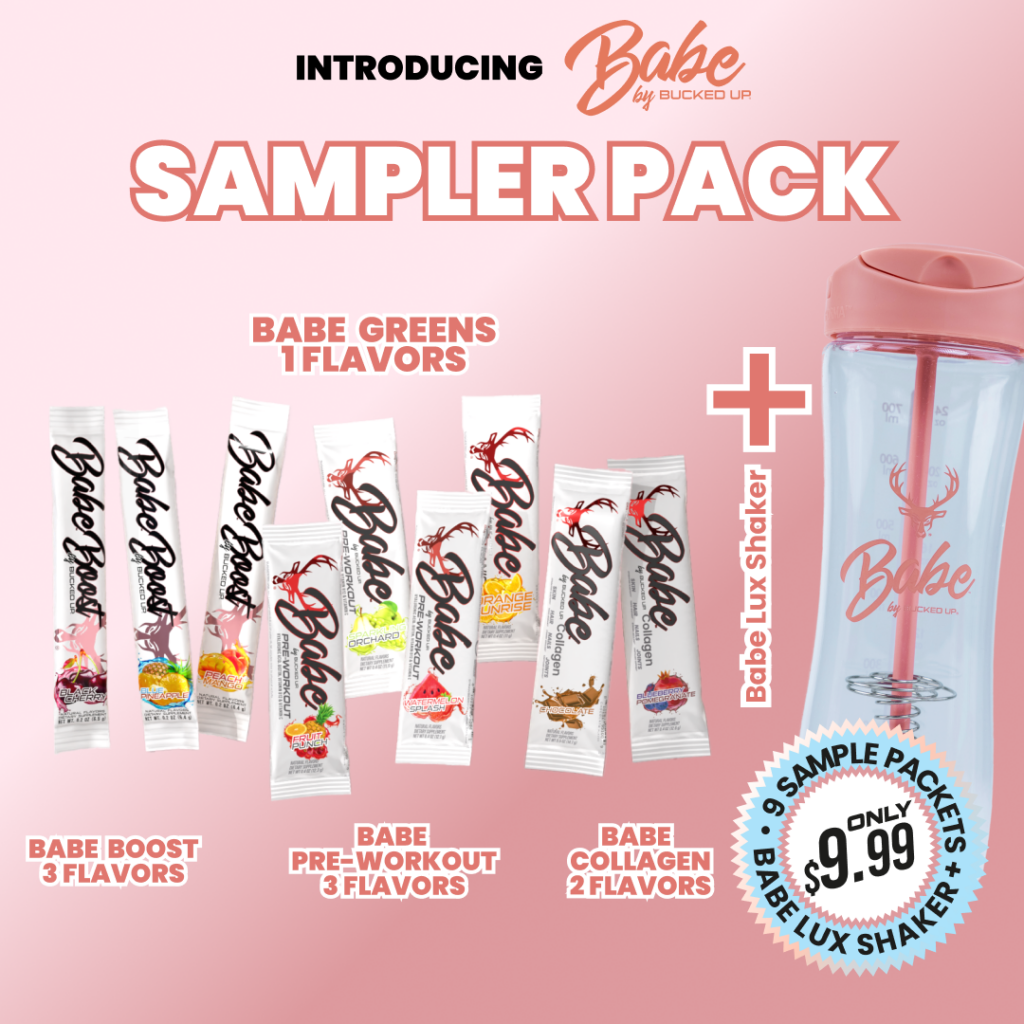
The Bucked Up sample offer may help compare flavor and mixability, but check which formulas are included. A sample is not a controlled test of GPCgold and cannot establish long-term safety or strength benefits. Eligibility, shipping and final price should be reviewed before ordering.

Is GPCgold worth paying extra for?

It may be relevant when the exact formulation is documented and fits your preferences. There is no basis here for a universal premium over another well-characterized alpha-GPC source. Favor clear active-dose information and suitable stimulant content over stronger marketing language.

Check current Bucked Up promotions if you decide to compare prices. No automatic 20% saving is guaranteed. The best purchase is a formula you can evaluate clearly, without doubling up on products or confusing branded powder weight with active ingredient.

Posted in Supplements | Tagged , , , , | Comments Off on GPCgold Alpha GPC: Read the Active Dose Before You Buy

AlphaSize Alpha GPC: Evidence, Active Dose and Label Checks

Bucked Up Original pre-workout tub in Miami flavor
Product packaging shown as an example discussed below. Check the current container label for its formula.

Affiliate disclosure: We may earn a commission from purchases through the Bucked Up links in this article.

What is AlphaSize alpha-GPC?

AlphaSize is Chemi Nutra’s branded alpha-glycerylphosphorylcholine, usually shortened to alpha-GPC. It supplies choline, which the body uses in acetylcholine production. That biological role explains interest in attention and muscle signaling, but it does not establish that a scoop improves lifting technique, builds muscle or speeds recovery. The ingredient supplier’s description is useful for identifying the brand; its promotional claims still need to be checked against human studies.

What the exercise evidence actually shows

A small randomized crossover trial studied 13 college-aged men taking 600 mg alpha-GPC daily for six days. Lower-body isometric force improved relative to placebo, while the upper-body comparison was not statistically significant. That is an encouraging finding in a specific laboratory test, with a small sample and short follow-up.

It does not establish months of greater strength gains, better concentration during every workout, or an effective dose for every pre-workout blend. A stationary force test is different from a squat training program. Claims about better bar speed, “mind-muscle connection” or faster nervous-system recovery need outcomes that actually measure those things.

Why 200 mg on the label can be misleading

Read the ingredient form and concentration together. If a formula supplies 200 mg of an alpha-GPC material standardized to 50%, the calculated alpha-GPC content is 100 mg. That differs from 200 mg of active alpha-GPC. If the label instead explicitly declares active content, do not halve it again.

Ask the manufacturer whether the stated amount refers to the raw material or its active yield when the wording is unclear. Alpha-GPC content and the amount of choline itself are also different measurements. Matching the largest number on a label to a study dose can produce the wrong comparison.

AlphaSize versus current Bucked Up formulas

The current Bucked Up Pre-Workout product page lists GPCgold alpha-GPC 50%, rather than establishing that every tub uses AlphaSize. WOKE AF also has manufacturer copy referring to GPCgold. Ingredient brands and product versions can change, so check the Supplement Facts for the exact flavor and tub.

Black Ant’s current product page provides another alpha-GPC comparison. Look at its concentration and serving size before comparing it with an AlphaSize product. A larger branded ingredient quantity does not prove better results, and a multi-ingredient formula cannot tell you which component caused a perceived effect.

A practical buying checklist

  • Confirm the named alpha-GPC ingredient and active yield.
  • Compare the intended serving, rather than assuming one scoop equals one serving.
  • Check the whole formula for caffeine, other stimulants and huperzine A.
  • Do not take extra pre-workout scoops to imitate an isolated-ingredient study dose.
  • Ask a pharmacist or clinician to review use if you take medication, particularly medicines that affect acetylcholine.

Buying two stimulant pre-workouts to combine their choline ingredients makes the comparison harder and increases overlapping exposure. A product should fit your training and sleep schedule without requiring another blend to “complete” it.

Bottom line

AlphaSize is an identifiable ingredient with preliminary exercise research. Treat it as an optional consideration after checking dose, formulation and evidence, rather than a promise of sharper focus or stronger lifts. View Bucked Up’s current offers only after checking the label; an automatic 20% discount is not verified, and checkout terms can change.

Posted in Supplements | Tagged , , , , | Comments Off on AlphaSize Alpha GPC: Evidence, Active Dose and Label Checks

BPI One More Rep: 1MR Versions, Label Details and Safety Checks

Bucked Up Original pre-workout tub in Miami flavor
Bucked Up product discussed below; this is not the competitor product named in the title.

BPI One More Rep refers to BPI Sports’ 1MR pre-workout line. If you are researching a tub, the useful question is which version and ingredient panel you are looking at. The name alone does not identify a single formula, and a product called “One More Rep” cannot promise an extra repetition in every workout.

Affiliate disclosure: We may earn a commission from purchases through the Bucked Up links below. BPI Sports and Bucked Up are separate brands.

Start with the exact 1MR version

BPI currently lists 1MR OG and 1MR Vortex as separate products. On the OG page checked for this guide, one scoop is 13.7 grams and the container has 25 servings. Its panel groups ingredients into a 9,625-milligram Pump Matrix and a 575-milligram OG Energy Matrix.

Those are combined blend weights. They do not tell you the individual caffeine, citrulline or beta-alanine amounts. In particular, 575 milligrams of an energy blend does not mean 575 milligrams of caffeine. Vortex has its own directions and label; do not transfer an OG serving size or ingredient claim to it.

An important concern on the OG ingredient list

The OG web panel lists 2-aminoisoheptane HCl. The FDA identifies 2-aminoisoheptane as a name for DMHA and considers DMHA an unsafe food additive in dietary supplements. FDA considers supplements containing it adulterated under U.S. law.

This concern applies to the ingredient list displayed on that specific page, rather than every product ever sold under the 1MR name. Check your physical package and market version. We would not recommend buying or using a formula listing DMHA or 2-aminoisoheptane. A smaller scoop does not resolve this ingredient concern.

How to make a useful label comparison

  • Match the product: Record the full name, country, flavor and serving size. An older review may describe a different generation.
  • Find total caffeine: Look for a clearly stated all-source amount, including caffeine-containing extracts. If the label leaves that unclear, ask the manufacturer before purchasing.
  • Separate dose from ingredient count: A long list does not establish that each ingredient is present at a studied amount.
  • Compare actual servings: Divide the delivered price by labeled servings. A smaller container or scoop can make a headline price misleading.

Performance claims also need context. The NIH supplement evidence review cautions that research on individual ingredients cannot establish the effects or safety of an entire multi-ingredient blend.

Where the Bucked Up alternatives fit

Bucked Up Pre-Workout is a separate product to compare if you want another caffeinated powder. Assess its current label on its own merits; it is not a BPI formula or a demonstrated equivalent to 1MR.

PUMP-OCALYPSE is another Bucked Up product to examine if your priority is the pump-formula category. Verify its current stimulant status and directions rather than automatically combining it with a pre-workout you already use.

The Bucked Up store lists current options and offers. Check checkout terms rather than assuming a particular discount applies. The best comparison begins with a clearly identified formula and understandable dosing, not the strongest marketing language.

Posted in Supplements | Tagged , , , , | Comments Off on BPI One More Rep: 1MR Versions, Label Details and Safety Checks

Alpha-GPC for Workouts: Evidence, Label Doses and Safety Questions

Bucked Up Original pre-workout tub in Miami flavor
Product packaging shown as an example discussed below. Read the current container label for the formula.

Affiliate disclosure: We may earn a commission if you buy through the shopping links in this article.

What is Alpha-GPC?

Alpha-GPC, also called alpha-glycerylphosphorylcholine or choline alphoscerate, is a choline-containing compound. Choline has roles in cell membranes and acetylcholine production, which helps explain interest in cognitive and exercise applications. That mechanism alone does not show that supplementation improves focus, muscle growth or recovery in a healthy lifter.

What the exercise evidence supports

A small randomized crossover study tested 600 mg per day for six days in 13 college-aged men. The change in a lower-body isometric-force test favored Alpha-GPC over placebo; the upper-body finding did not reach statistical significance. This is an interesting result from a short laboratory experiment, not proof of stronger squats, better competition performance or more muscle after months of training.

Another trial comparing two Alpha-GPC doses assessed multiple physical and psychomotor outcomes. Selected jump measures differed between groups, but the pattern does not justify a universal “more is better” claim. Preliminary results should not be turned into promises of sharper focus, improved recovery or consistent power gains.

There is no established Alpha-GPC protocol here that guarantees an immediate benefit 30 minutes before a workout. Study amounts are research context, not an instruction to start or escalate supplementation.

Read “50%” before comparing milligrams

A listing such as “Alpha-GPC 50%, 200 mg” describes a standardized ingredient preparation. If 200 mg is the preparation weight, the nominal Alpha-GPC portion is 100 mg. It is not equivalent to 200 mg of pure Alpha-GPC. Ask the manufacturer if the panel does not make that basis clear.

Original Bucked Up has used AlphaSize Alpha-GPC 50% in its label. Verify the exact panel before comparing it with a research dose. Do not add scoops just to increase this one ingredient, since the caffeine and every other ingredient increase too.

Black Ant currently lists GPCgold Alpha-GPC 50% at 400 mg per two-scoop serving, alongside 5 g creatine monohydrate and 300 mg caffeine. That is a preparation amount, not a claim of 400 mg pure Alpha-GPC. The manufacturer’s full-serving listing makes the serving distinction important; one scoop supplies half the listed full-serving quantities.

WOKE AF combines a choline ingredient with a high-stimulant formula. Its presence should not be interpreted as evidence that Alpha-GPC neutralizes jitters or converts a larger stimulant dose into better training.

Long-term safety is an open question

A large observational study in South Korean adults aged 50 and older reported an association between prescribed Alpha-GPC use and subsequent stroke risk. Observational data cannot establish that Alpha-GPC caused the events, and this population differs from younger gym users. It nevertheless makes an unqualified claim of established long-term safety inappropriate.

Discuss use with a clinician or pharmacist if you take medication, have a medical condition or are considering regular supplementation. The FDA’s supplement–medication guidance explains why ingredients and combinations deserve review. Do not self-treat persistent attention or memory problems with a pre-workout.

A sensible buying decision

Check the active amount, serving size, other ingredients and reason for buying. Avoid combining several choline or huperzine-containing blends simply to mimic a study, and do not mistake a more intense sensation for a reliable strength improvement.

Check Bucked Up shopping offers. Any discount depends on current eligibility and checkout terms; automatic sitewide savings are not guaranteed.

Bottom line: Alpha-GPC has preliminary exercise findings and unresolved questions. It is an optional ingredient, and the evidence is much narrower than promises of immediate focus, recovery and strength.

Posted in Energy, Ingredients, Pre Workout, Supplements | Tagged , , , , | Comments Off on Alpha-GPC for Workouts: Evidence, Label Doses and Safety Questions

Mind-Muscle Connection: Useful Cues, Evidence and Training Limits

Bucked Up Original pre-workout tub in Miami flavor
Product packaging shown as an example discussed below. Read the current container label for the formula.

Affiliate disclosure: We may earn a commission if you buy through the shopping links in this article.

What is the mind-muscle connection?

The mind-muscle connection usually means an internal focus: directing attention toward the muscle or body part performing a movement. During a curl, that might mean concentrating on your biceps contracting. An external focus directs attention toward the movement’s effect, such as moving the handle toward a target.

Both are tools. A strong sensation is not required for an exercise to work, and it does not prove maximal muscle recruitment, growth or protection from injury.

What the research actually found

In a bench-press study of 18 trained men, instructions to emphasize the chest or triceps changed muscle electrical activity at loads between 20% and 60% of one-repetition maximum, but not at 80%. This was an acute EMG experiment. Electrical activity during a set is not a direct measurement of future muscle growth.

A separate eight-week trial in 30 untrained men compared internal and external focus during resistance training. Elbow-flexor thickness increased more in the internal-focus group, while quadriceps thickness changed similarly between groups. The narrow sample and short duration limit how confidently the findings apply to other muscles, experienced lifters or longer programs.

External focus also has supporting performance research, including a study of an isometric force task. There is no need to use an internal cue on every repetition or to abandon a useful external cue when lifting heavily.

How to practice without rebuilding your whole workout

  1. Choose one stable exercise. A seated curl, cable pressdown or supported row makes it easier to pay attention without juggling several balance demands.
  2. Use an easy warm-up set. Explore the movement and cue without deliberately exhausting the muscle first.
  3. Pick one cue. For a curl, try “contract the biceps as the elbow bends.” For a pressdown, try “straighten the elbow using the triceps.” Keep the joint action comfortable.
  4. Keep the motion controlled. Lower the load without dropping it and avoid swinging. You do not need a mandatory four-second descent or a maximal squeeze on every repetition.
  5. Carry the cue into a normal working set. Use a load and range of motion you can control. If concentrating on sensation disrupts the lift, return to a simpler movement cue.

These examples are ways to apply the research, not the exact protocol tested in every study. Avoid treating pre-exhaustion, shortened-range pulses or slower repetitions as necessary steps to activate a muscle.

Choose the cue for the task

  • Accessory work for muscle development: try internal focus if it makes the target action clearer without distorting technique.
  • A heavy compound lift: prioritize your established setup, bracing and a useful movement cue. “Push the floor away” may be more helpful than monitoring every involved muscle.
  • An unfamiliar exercise: first learn a comfortable, repeatable movement. Ask a qualified coach for feedback if you cannot tell whether you are performing it as intended.

For example, keep your planned compound exercise first if that is the session’s priority, then practice a biceps cue during the first light curl set. You do not need to fatigue the biceps before your main pulling work just to feel them more strongly.

Do supplements improve the connection?

Original Bucked Up is an optional caffeinated pre-workout. Its inclusion of a choline ingredient does not establish that it improves the skill of directing attention to a muscle.

BAMF is another, higher-caffeine product marketed around focus. Neither the label nor the phrase “nootropic” is evidence that a serving reproduces the training adaptations in the studies above. You can practice the cues without buying either product.

Measure progress beyond the feeling

Log exercise setup, range of motion, load, repetitions and effort. Over several weeks, look for repeatable technique and progress within your program. A pump or soreness can vary without telling you whether you gained muscle. Stop and reassess pain rather than interpreting it as a stronger connection.

View Bucked Up shopping offers. Check current terms; an automatic 20% discount is not guaranteed.

Takeaway: internal focus can be a useful accessory-exercise cue. Keep it if it improves execution, and use other cues when they better serve the lift.

Posted in Supplements | Tagged , , , , | Comments Off on Mind-Muscle Connection: Useful Cues, Evidence and Training Limits

Hemo-Rage Pre-Workout: Nutrex Versions and Label Comparisons

Bucked Up Original pre-workout tub in Miami flavor
Bucked Up alternative discussed below; this is not a photograph of the competitor product named in the title.

Affiliate disclosure: We may earn a commission if you buy through the shopping links in this article.

What is Hemo-Rage pre-workout?

Hemo-Rage is a Nutrex Research product name used across different versions. It is not a category name for any high-stimulant pre-workout. Nutrex’s own article discussing Hemo-Rage Unleashed identifies it as a specific pre-workout.

The important starting point is the exact tub: full name, flavor, country, serving size, ingredient panel and expiration date. Old reviews, retailer pictures and newer product pages can describe different formulas. Do not assign ingredients to a Hemo-Rage product simply because they are common elsewhere in the pre-workout market.

Hemo-Rage Unleashed: a version-specific caffeine warning

An archived Nutrex Hemo-Rage Unleashed manufacturer label states 400 mg caffeine per serving, plus other stimulants. That is information about that label, not a universal caffeine figure for every Hemo-Rage version or region.

Read its complete warning section rather than relying on its name or a reviewer’s tolerance. An old label does not establish that a currently advertised tub is the same formula, in date or available. The current Nutrex U.S. pre-workout category includes newer product names; use the manufacturer to resolve uncertainty about an older listing.

Do not fill missing amounts with assumptions

If your label uses a proprietary blend, its combined weight is not the dose of each individual ingredient. You cannot infer a “clinical dose” of citrulline, beta-alanine or a focus ingredient from the total. If the caffeine amount or relevant directions are unclear, ask the manufacturer before using it.

Similarly, never copy dendrobium, synephrine, glycerol or huperzine A into a Hemo-Rage ingredient list simply because another strong pre-workout contains them. Product-specific labels matter more than a generic “Hemo-Rage-style” description.

Comparing two Bucked Up alternatives

Original Bucked Up is a separate formula. Its manufacturer listing describes 200 mg caffeine, 6 g citrulline malate 2:1 and 2 g beta-alanine per serving. Six grams of citrulline malate is not six grams of pure L-citrulline. Neither the ingredient list nor the smaller caffeine number proves that it is the better or safer product for a particular person.

WOKE AF lists 333 mg caffeine and includes other stimulants, with dendrobium and synephrine named on the official product page. It should not be treated as a way to reproduce a Hemo-Rage sensation without the same concerns. There is no established head-to-head safety comparison in these sources.

Compare the complete formulas at the serving you plan to use. Do not mix two pre-workouts to make the comparison more intense or to compensate for an ingredient you think is missing.

What to compare beyond the stimulant feeling

  • Label clarity: are the individual amounts disclosed, and can you verify the current version?
  • Training purpose: does the ingredient evidence address your type of exercise, rather than just a short-lived feeling?
  • Sleep and tolerability: do the intended dose and timing fit your response? Delayed sleep can make an energetic workout a poor trade.
  • Quality verification: for drug-tested sport, check the specific product and batch in a recognized testing program.
  • Health circumstances: review medication overlap and contraindications with an appropriate clinician or pharmacist.

The USADA guidance on verifying certification logos explains why a logo or a brand’s reputation alone is insufficient. This article does not establish certification for any product named above.

Buying and sampling

A sample, when actually available, can help assess taste and immediate tolerance. It cannot demonstrate long-term safety or prove that a pre-workout improves recovery. Verify its full label as carefully as a tub.

Check current Bucked Up shopping offers. The former automatic 20% sitewide discount claim is not a guarantee, and no sampler availability is promised.

Bottom line: identify the Nutrex version first, use its own ingredient panel and warnings, and compare complete labels. A shared high-stimulant image is not evidence that two products work alike.

Posted in Supplements | Tagged , , , , | Comments Off on Hemo-Rage Pre-Workout: Nutrex Versions and Label Comparisons

Focus Pre-Workout: Choose a Formula Without Chasing More Stimulation

BAMF high-stimulant pre-workout tub in Sour Bucks flavor
Product packaging shown as an example discussed below. Read the current container label for the formula.

Affiliate disclosure: We may earn a commission if you buy through the shopping links in this article.

Start with the kind of focus you need

If you lose track of rest periods, rush setup or check your phone between sets, a more stimulating drink may not solve the problem. A focus pre-workout is a blend marketed to support attention; the category has no standard formula or guaranteed effect on training quality.

Separate alertness, the feeling of being awake, from execution, such as following a repeatable setup and completing planned work. Feeling more energized can coexist with being distracted or overly tense.

Read the label in this order

  1. Serving size and caffeine. A scoop is not a universal unit. Check whether the panel describes one scoop or two and count other caffeinated drinks that day.
  2. Other stimulating ingredients. Methylliberine, paraxanthine and botanical stimulants are not made irrelevant by a low caffeine number.
  3. Focus-ingredient amounts and forms. Alpha-GPC preparations can be standardized to a percentage. A branded ingredient name does not establish a research-matched active dose.
  4. Evidence for the outcome. An attention-test result is not proof of improved lifting technique, fewer injuries or greater muscle growth.

L-theanine is often paired with caffeine, but the human attention research should not be read as a guarantee that theanine cancels stimulation. Huperzine A likewise should not be described as a proven way to extend useful gym focus.

BAMF and Original Bucked Up as examples

BAMF has 333 mg caffeine in its listed serving and is marketed as a high-stimulant nootropic formula. It may be an unattractive choice if your main problem is poor sleep, caffeine sensitivity or anxiety around lifting. Its “focus” positioning does not establish superior technique.

Original Bucked Up lists 200 mg caffeine per serving. That is a smaller amount than BAMF, but tolerance and medical suitability vary. Read the BAMF manufacturer listing and the label on the exact Original tub rather than transferring ingredient information between products.

A five-minute pre-session routine

Try this structure before deciding you need another supplement:

  • Write down the main exercise, working sets and target repetition range before warming up.
  • Choose one cue for the next set. Too many instructions can make a straightforward lift harder to execute.
  • Set a rest timer and put notifications away until the workout is finished.
  • Use the warm-up to check equipment, movement comfort and today’s sensible working load.
  • After each set, record repetitions and how close you were to your limit. Adjust the plan if technique or readiness is poorer than expected.

These are practical organization suggestions, not claims that a particular routine has been tested against a supplement. They make the target behavior clear enough to evaluate.

Sleep belongs in the comparison

Do not assume that feeling calm at bedtime means caffeine had no effect. A randomized crossover trial in 23 men tested 100 and 400 mg at different intervals before bed; the larger dose affected sleep measures even when taken well before bedtime. The study does not set an exact cutoff for every person, but it supports considering both dose and timing.

For evening training, a product verified to contain no stimulants, or no pre-workout, avoids adding another stimulant exposure. Do not claim alternating products protects “adrenal health,” and do not use a stronger formula to compensate for accumulating sleep loss.

Sample and shopping links

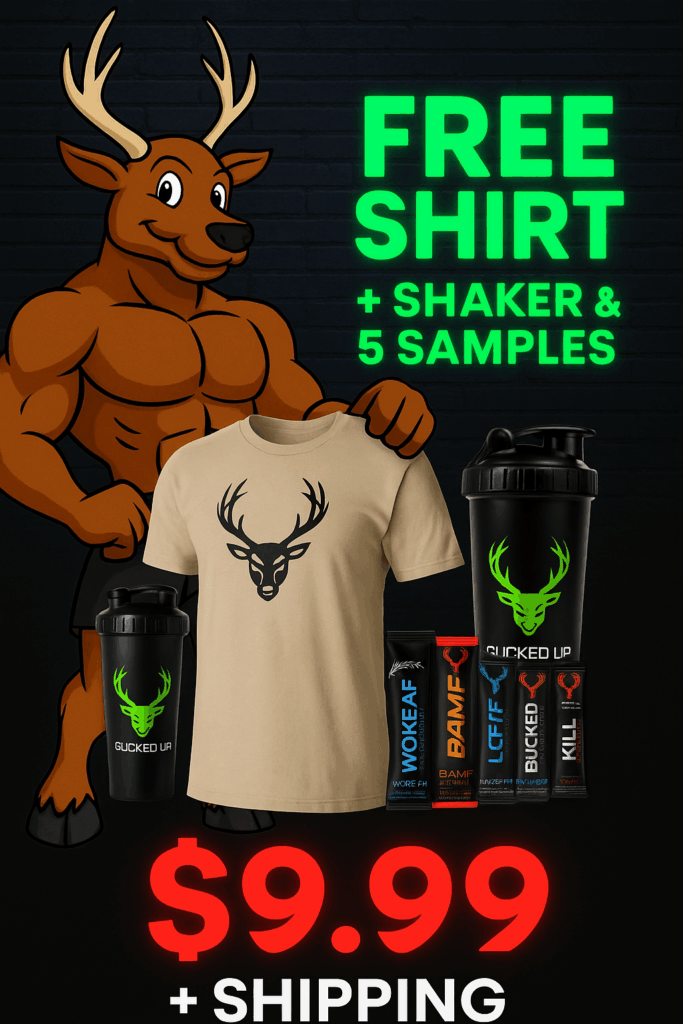
The current Bucked Up kit offer leads to a larger kit campaign. Check its exact contents, eligibility, shipping and checkout terms before ordering; do not assume the older five-sample, shaker and shirt description or $9.99 price still applies. A sample can help you assess flavor and immediate tolerance, not establish long-term safety.

Check current Bucked Up promotion terms. No sitewide discount or sample availability is guaranteed.

Bottom line: buy for a specific need, use the label to understand total stimulation, and judge the result by your session and subsequent sleep rather than “laser focus” advertising.

Posted in Energy, Pre Workout, Supplements | Tagged , , , , | Comments Off on Focus Pre-Workout: Choose a Formula Without Chasing More Stimulation

Nootropic Pre-Workout: What the Focus Claims Can Tell You

BAMF high-stimulant pre-workout tub in Sour Bucks flavor
Product packaging shown as an example discussed below. Read the current container label for the formula.

Affiliate disclosure: We may earn a commission if you buy through the shopping links in this article.

What does “nootropic pre-workout” mean?

It is a marketing description for a pre-workout containing ingredients intended to affect attention, alertness or other mental functions. It does not certify that the blend improves learning, lifting technique, muscle growth or recovery. A product may feel stimulating without improving the task you bought it for.

The useful question is specific: was this ingredient, at this dose and duration, tested on an outcome relevant to your training? “Supports acetylcholine” is a mechanism, not the same finding as better squat performance.

How to read common focus-ingredient claims

  • Caffeine: a stimulant with a much larger exercise research base than most ingredients sold as nootropics. Consider the whole day’s intake and sleep effects before seeking a stronger formula.
  • Alpha-GPC: a choline-containing compound with small, short-term exercise studies. A six-day trial investigated 600 mg daily and laboratory isometric strength tests. It does not establish that every Alpha-GPC blend produces better focus or long-term gains.
  • Citicoline: a 28-day study in healthy adult women found improvements on an attention test using 250 or 500 mg daily. Those conditions differ from a lower-dose scoop taken occasionally before training.
  • L-theanine with caffeine: a randomized cognitive study reported improvements on selected attention tasks. It was not proof of injury prevention, faster hypertrophy or immunity to caffeine side effects.
  • Huperzine A, tyrosine and newer stimulant ingredients: do not treat their presence as evidence that a complete pre-workout sharpens heavy-lifting technique. Look for the exact chemical form, amount, population and measured outcome.

Two product examples, with different stimulant loads

BAMF is marketed around nootropics and contains 333 mg caffeine per listed serving. Its manufacturer’s ingredient description markets a focus blend, and the main BAMF page lists both AlphaSize Alpha-GPC and Cognizin citicoline in its full-formula FAQ. Verify the exact tub or stick-pack label; even a confirmed combination would not establish additive benefits.

Original Bucked Up lists 200 mg caffeine, less than BAMF but still meaningful. Do not label that amount universally mild or assume its choline ingredient makes it suitable for everyone. Use the package’s actual serving and warnings.

A useful way to judge whether a product helps

  1. Define the problem. Is it distraction between sets, poor sleep, uncertain technique, or simply a preference for caffeine? A supplement may not address the cause.
  2. Choose a measurable training outcome. Record completed sets, repetitions, rest intervals and whether you followed the planned technique. A stronger buzz is not a performance metric.
  3. Keep the session comparable. Avoid changing the workout, music, meal timing and several supplements together. Otherwise you cannot tell what explains a difference.
  4. Record costs as well as benefits. Sleep disruption, headache, stomach upset and feeling overstimulated matter even if a workout feels energetic.

This is a practical observation process, not a controlled experiment or a reason to use a product despite symptoms. Persistent concentration difficulties deserve appropriate assessment rather than an escalating stimulant stack.

Stacking can change the experience

Do not add a fat burner or energy product simply because its advertising uses different terminology. A human interaction study found methylliberine could alter caffeine pharmacokinetics. “Nootropic” and “caffeine-free” do not by themselves mean non-stimulating or interaction-free.

Follow each product’s warnings and consult a clinician or pharmacist about medication interactions. There is no established three- or four-days-per-week schedule that guarantees tolerance control or safe use for everyone.

View current Bucked Up offers. Check the checkout price and terms; the former automatic 20% discount claim is not a guarantee of a current offer.

Buying decision

Pay for a clearly labeled product that suits a defined need. The strongest evidence may concern one ingredient or a narrow laboratory test, so keep expectations proportionate. Training structure, adequate food and sleep remain part of the decision, even when a pre-workout feels helpful.

Posted in Supplements | Tagged , , , , | Comments Off on Nootropic Pre-Workout: What the Focus Claims Can Tell You