Bucked AF: Bucked Up, WOKE AF, and BAMF Explained

Bucked Up BAMF pre-workout tub in Sour Bucks flavor
Product packaging shown as an example discussed below. Check the current container label for its formula; ingredient research does not establish results for the finished product.

Affiliate disclosure: We may earn a commission if you buy through the Bucked Up links in this article.

Which product does “Bucked AF” mean?

“Bucked AF” is an ambiguous search term. Bucked Up’s current pre-workout catalog lists products named Bucked Up, WOKE AF and BAMF; the phrase does not identify one standard formula in that catalog. Before comparing ingredients or buying a tub, match the full front-label name to its Supplement Facts panel.

This is particularly important with the Black editions, limited-edition flavors and travel formats. A familiar deer logo is not enough to identify a caffeine dose. Nor is “AF” a scientific category or a reason to pursue the strongest available stimulant effect.

Three names worth separating

  • Bucked Up Original: the manufacturer lists 200 mg caffeine, 6 g citrulline malate 2:1 and 2 g beta-alanine per serving.
  • WOKE AF: listed at 333 mg caffeine with additional synephrine and dendrobium. Its multi-stimulant profile is a material difference from Original.
  • BAMF: listed at 333 mg caffeine and 3.2 g beta-alanine, with ingredients marketed for focus, including Dynamine and huperzine A.

These figures describe the manufacturer pages reviewed, not every historical or regional version. For an actual purchase, compare the current package rather than combining ingredient lists from different reviews.

Where BAMF fits

BAMF Pre-Workout is the relevant product if the full name on the tub includes “High Stimulant Nootropic.” It is not simply another spelling of WOKE AF. A nootropic label describes the product’s positioning; it does not establish guaranteed concentration, better decision-making, or superior training results.

The current BAMF website lists both Alpha-GPC and citicoline in its full-formula FAQ. Verify the precise choline ingredients on your selected BAMF package rather than treating an older formula breakdown as definitive. The manufacturer consistently describes it as a 333 mg-caffeine product.

Where Original fits

Bucked Up Original Pre-Workout has less listed caffeine than WOKE AF or BAMF. That is a useful comparison, but 200 mg is still a substantial dose for someone who is sensitive to caffeine or rarely uses it. It is not automatically a beginner-safe or sleep-friendly option.

The Original formula is also listed as creatine-free. Someone who wants a pre-workout that includes creatine should not assume all products in the brand do. Likewise, 6 g citrulline malate is a combined ingredient weight, not 6 g pure citrulline.

Choose by the label and your actual need

  1. Identify the exact product. Write down its full name, flavor, serving weight and number of scoops.
  2. Check all stimulants. Compare total caffeine and additional stimulant ingredients, not just a “high energy” description.
  3. Account for the rest of the day. Coffee, energy drinks and some medicines also contribute caffeine. The FDA’s 400 mg daily reference for most adults is not a goal or a guarantee of individual safety.
  4. Protect sleep. An evening workout may be better served by a genuinely stimulant-free option, after checking the full ingredient label. Increasing stimulant intake to compensate for poor sleep can work against recovery.
  5. Do not chase a sensation. Beta-alanine tingling or a strong buzz does not establish that a workout was productive.

People who are pregnant or nursing, younger than the product’s stated minimum age, taking medication, or managing a medical condition should follow package restrictions and get individualized advice rather than relying on this comparison.

Before checkout

Use the full product name when checking current Bucked Up offers. Verify the final price, serving count and subscription selection. The useful question is which formula matches your needs and tolerance, not how to achieve a supposed “Bucked AF” state.

Sources and label references

Manufacturer information and source labels checked October 11, 2026. Your package label takes priority for the product you own.

Posted in Supplements | Tagged , , , , | Comments Off on Bucked AF: Bucked Up, WOKE AF, and BAMF Explained

Berberine HCl: Weight-Loss Evidence, Interactions and Label Checks

Bucked Up Buck Naked black supplement bottle and retail box
Product packaging shown as an example discussed below. Check the current container label for its formula; ingredient research does not establish results for the finished product.

Affiliate disclosure: We may earn a commission from purchases through the product links in this article.

What is berberine HCl?

Berberine is a compound found in several plants. HCl identifies the hydrochloride form used in many supplements. Research into metabolic conditions has made it a popular ingredient in weight-management products, but “supports metabolism” is too broad to tell you what a product will actually do.

The useful questions are specific: did a human trial measure glucose control, body weight, abdominal fat, or exercise performance? Who took part, what amount did they receive, and for how long? Findings in people with a medical condition should not be repackaged as proven workout benefits for healthy gym-goers.

What changed in the evidence?

A 2026 randomized clinical trial is particularly relevant to fat-loss claims. It enrolled 337 adults in China with obesity and metabolic dysfunction-associated steatotic liver disease, without diabetes. After six months, 1 g daily of berberine did not significantly reduce visceral abdominal fat or liver fat compared with placebo. Some cholesterol and inflammation measures improved, but those were different outcomes.

This result does not rule out every possible use of berberine. It does show why favorable metabolic markers cannot be equated with loss of fat in a particular body compartment. The trial also did not test lifting performance, muscle preservation during a cut or faster recovery.

NCCIH’s evidence summary likewise describes weight-loss research as inconclusive, with inconsistent findings, variable formulations and studies at high risk of bias. Promises that berberine sends calories to muscle rather than fat go beyond what this evidence establishes.

Mechanisms are questions for research, not guarantees

Supplement marketing often discusses AMPK, insulin signaling or the gut microbiome. Even when a mechanism is biologically plausible, it does not establish the size of a benefit in a person taking a particular capsule. A clinically meaningful result requires an appropriate human comparison, rather than a chain of assumptions from a cellular pathway to better training.

Medication interactions deserve priority

Berberine should not be treated as an uncomplicated addition to a supplement stack. A human interaction study found changes in several drug-metabolizing enzyme activities after repeated use. NCCIH also identifies an interaction with cyclosporine. Anyone taking prescription or over-the-counter medicines should have the full product reviewed by a clinician or pharmacist before use, particularly when managing glucose or other metabolic conditions.

Nausea, abdominal discomfort, constipation and diarrhea have been reported. Berberine should be avoided during pregnancy and breastfeeding and should not be given to infants because of concerns involving bilirubin exposure. A “natural” label does not resolve these risks.

What the Buck Naked label can and cannot tell you

Buck Naked’s current listing identifies 100 mg berberine HCl within a larger blend. That is different from the daily amount tested in the 2026 trial. A smaller dose in a multi-ingredient product should not be described as reproducing the study, and the trial’s dose is not a personal dosing recommendation.

Use the complete Buck Naked label and directions when discussing it with a healthcare professional. Increasing the number of capsules to reach a research amount would also multiply every other ingredient. Do not do that, and do not substitute a supplement for prescribed treatment or monitoring.

Questions to settle before buying

  • What measured result am I seeking, and does research address that result in people like me?
  • Is the study about berberine alone or a combination with other active compounds?
  • Has a pharmacist checked the exact blend against my medications?
  • Is there a medical reason for symptoms such as unusual fatigue or suspected glucose changes that needs assessment first?

Bottom line

Berberine has an active clinical research history, but the evidence does not justify selling it as a proven pre-workout, lean-mass protector or predictable fat-loss shortcut. Clinical supervision matters more than timing it before cardio.

View current Bucked Up product information if you are comparing labels. Check any offer at checkout; an automatic 20% discount is not verified.

Posted in Ingredients, Supplements | Tagged , , , , | Comments Off on Berberine HCl: Weight-Loss Evidence, Interactions and Label Checks

WOKE AF Black: Caffeine, Ingredients, and Key Cautions

WOKE AF BLACK pre-workout tub in Island Fusion flavor
Product packaging shown as an example discussed below. Check the current container label for its formula; ingredient research does not establish results for the finished product.

Affiliate disclosure: We may earn a commission if you buy through the Bucked Up links in this article.

What is WOKE AF Black?

WOKE AF Black is a Bucked Up high-stimulant pre-workout. The manufacturer lists 333 mg caffeine per scoop, along with synephrine HCl and dendrobium. Its distinguishing Black Series ingredient is a 35 mg humic/fulvic mineral blend. The black color does not establish better exercise performance or make the stimulant combination safer.

Start with the exact label and flavor on the WOKE AF Black product page. A product called Bucked Up Black or BAMF Black is a different formula, even if the tub has similar branding.

The main listed ingredients

  • Caffeine anhydrous: 333 mg. This is the clearest reason to treat the product as a high-caffeine option.
  • Citrulline malate 2:1: 6,000 mg. This is the weight of citrulline plus malate, not 6 g of pure L-citrulline. At the stated ratio, about 4 g would be citrulline.
  • Beta-alanine: 3,200 mg. It can cause tingling. That sensation is not a measure of muscle growth or workout quality.
  • Synephrine HCl: 40 mg; dendrobium extract: 100 mg. These make it a multi-stimulant formula, so caffeine alone does not describe the full risk profile.
  • Humic/fulvic mineral blend: 35 mg. This is the Black Series addition. Claims about detoxification or superior nutrient absorption should not be treated as proof that the finished pre-workout outperforms regular WOKE AF.

The manufacturer also lists a choline ingredient, taurine, salt, deer antler velvet and botanical blends. Ingredient inclusion and branded names do not, by themselves, demonstrate a meaningful benefit at the included doses.

What the evidence can and cannot tell you

Caffeine has evidence for improving some exercise outcomes, but more is not automatically better. Beta-alanine is studied as repeated supplementation that changes muscle carnosine over time; the immediate tingle does not show that this process is complete. NIH describes limited and mixed exercise evidence for citrulline, and no established performance benefit for deer antler velvet. Those distinctions matter more than the intensity of the product’s marketing.

There is also a difference between researching an isolated ingredient and testing this exact combination. No head-to-head trial was established in the sources reviewed showing that WOKE AF Black produces better training results than regular WOKE AF.

Caffeine and other precautions

The FDA cites 400 mg caffeine per day as an amount not generally associated with negative effects for most adults. It is not a target, a single-dose recommendation, or a clearance for combining stimulants. One 333 mg serving already accounts for most of that reference amount. People vary substantially in sensitivity, and sleep disruption can occur below it.

NCCIH reports uncertainty about bitter orange and its constituent synephrine, including cardiovascular safety concerns. Do not assume that tolerating coffee means you will tolerate this combination. Avoid other caffeinated or stimulant products with it, and ask a clinician or pharmacist about medications and medical conditions before use.

Follow the specific package directions

The manufacturer’s page directs one scoop in 6–8 oz of water, 15–30 minutes before training, with no more than one scoop in 24 hours. It is for adults and is not intended for pregnancy or nursing. Mixing with extra water changes concentration and taste; it does not lower the amount of caffeine in the drink. Do not dry scoop.

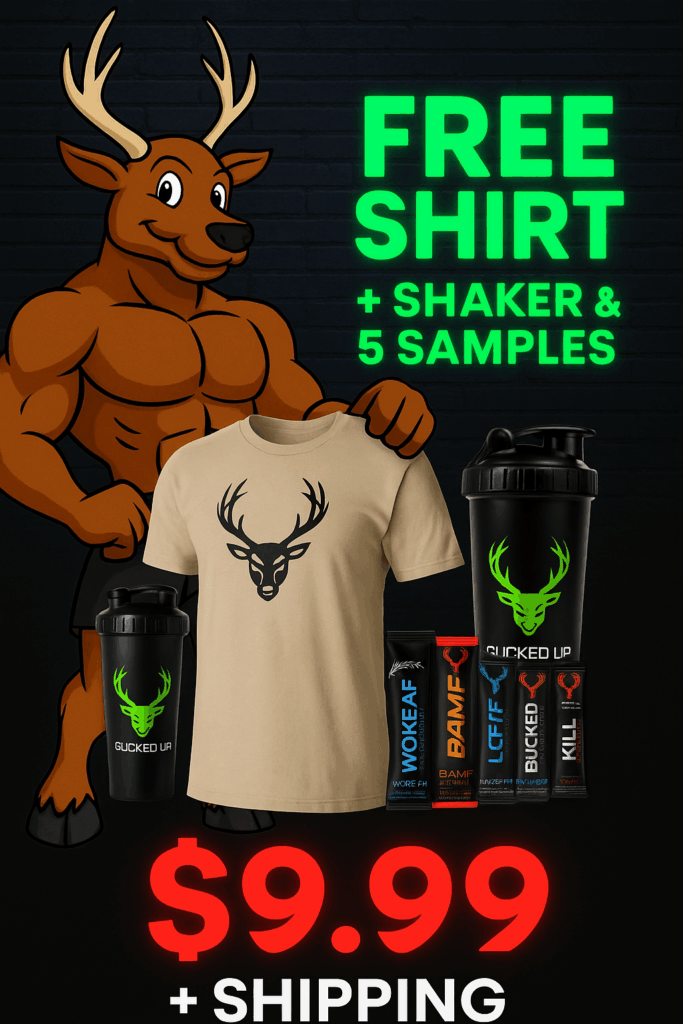
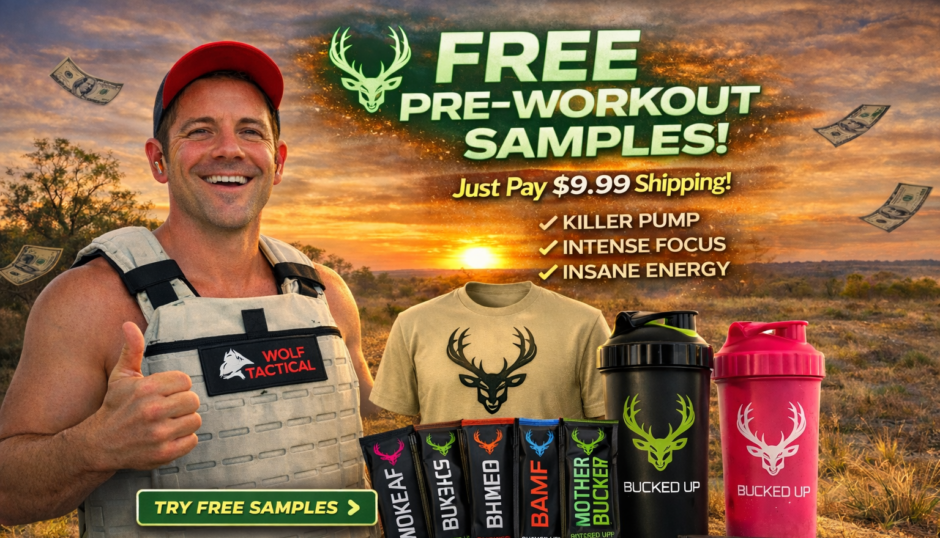
If you are reviewing a Bucked Up sample offer, check which formulas it contains and read each packet separately. A sample is not automatically a lower dose.

Buying decision

The reason to consider this formula is its specific ingredient profile, not the assumption that a stronger sensation means a better workout. It is a poor match for someone seeking low caffeine, an evening drink, or a simple one-stimulant formula. Check current Bucked Up offer terms for actual pricing, exclusions and shipping rather than relying on an old discount claim.

Before buying WOKE AF Black, confirm the serving weight, current ingredient panel and warnings on the tub you will receive.

Sources and label references

Manufacturer information and source labels checked October 11, 2026. Your package label takes priority for the product you own.

Posted in Supplements | Tagged , , , , | Comments Off on WOKE AF Black: Caffeine, Ingredients, and Key Cautions

L-Carnitine Tartrate: Recovery Research, Dose Labels and Limits

Babe Boost Lavender Lemonade drink mix box and individual packets
Product packaging shown as an example discussed below. Check the current container label for its formula; ingredient research does not establish results for the finished product.

Affiliate disclosure: We may earn a commission from purchases through the product links in this article.

What is L-carnitine tartrate?

L-carnitine tartrate is a supplemental form of carnitine commonly used in sports products. Its most useful question is whether a particular preparation improves an outcome you care about. Describing carnitine’s role in fat metabolism does not answer whether a scoop burns more body fat, reduces soreness or improves the next session.

Keep recovery, endurance and body composition separate when judging the evidence. A lower blood marker after a demanding workout does not establish better long-term strength gains, and feeling energized is not a measure of fat oxidation.

The strongest practical distinction: repeated use versus an acute boost

A 2021 randomized, placebo-controlled trial enrolled 80 adults, with 73 completing the study. Participants supplemented for five weeks alongside an exercise program, followed by a demanding lower-body session. The carnitine group showed better perceived recovery and soreness measures, a smaller creatine kinase response, and less decline in some strength and power measures.

The preparation supplied 3 g of carnitine tartrate yielding 2 g of L-carnitine per day. The study had industry involvement. Its findings are promising for that recovery protocol, but they do not show that an occasional small serving before exercise gives an immediate energy boost or permits harder training every day.

Endurance is a separate question

A 25-week trial in 14 older men combined L-carnitine tartrate with a carbohydrate-and-protein drink and found increased muscle carnitine and whole-body fat oxidation during moderate cycling. This was a long intervention with a small, specific population. It cannot validate a brief “fat-burning window” before cardio, nor does greater fat use in the test prove meaningful weight loss.

Understand what a milligram figure describes

A label can state the weight of the tartrate compound or describe the amount of L-carnitine it supplies. Those figures should not be treated as interchangeable. The recovery study’s 3 g of tartrate and 2 g of carnitine described the same daily preparation, not two ingredients to add together.

  • Read the full ingredient line, including parentheses and any “providing” statement.
  • Compare the serving size and study duration, not only the largest number.
  • Do not increase servings of a blend to chase a study dose; its other ingredients rise at the same time.

How the product examples compare

Babe Boost currently lists 500 mg L-carnitine tartrate per stick packet. That amount and the multi-ingredient formula do not match the five-week recovery trial. Its caffeine also makes it a poor way to isolate whether carnitine changes how you feel.

Buck Naked lists acetyl L-carnitine HCl, a different form. Adding the two products together is not an evidence-based strategy for covering every possible carnitine benefit. Check each current package and the complete stimulant profile before considering combinations.

Safety and expectations

The NIH fact sheet notes stomach symptoms and fishy body odor at higher supplemental intakes, along with concerns for people with seizure disorders or uremia. Regular medication use warrants a clinician or pharmacist review. “Naturally present in the body” is not sufficient evidence that any dose or combination is suitable.

If recovery is your goal, define it before buying: soreness over the following days, ability to complete the planned session, or performance in a consistent test. Do not treat reduced soreness as permission to ignore pain, skip rest or accelerate training progression. A supplement study does not diagnose why someone is recovering poorly.

Bottom line and shopping

L-carnitine tartrate has human research suggesting possible recovery benefits under specific repeated-use conditions. The evidence is narrower than claims about instant energy, guaranteed endurance or easy fat loss. Match form, amount and duration before comparing a commercial product to a study.

Check current Bucked Up listings and offers. Verify the package label and checkout total; no fixed sitewide discount is promised here.

Posted in Supplements | Tagged , , , , | Comments Off on L-Carnitine Tartrate: Recovery Research, Dose Labels and Limits

Acetyl L-Carnitine: What the Evidence Says About Workouts and Focus

Bucked Up Buck Naked black supplement bottle and retail box
Product packaging shown as an example discussed below. Check the current container label for its formula; ingredient research does not establish results for the finished product.

Affiliate disclosure: We may earn a commission from purchases through the product links in this article.

What is acetyl L-carnitine?

Acetyl L-carnitine, usually shortened to ALCAR, is one of several related carnitine compounds. Carnitine participates in transporting fatty acids into mitochondria, where cells use them for energy. Healthy people normally make enough carnitine themselves. That biological role explains interest in supplements, but it does not establish that extra ALCAR improves a healthy person’s training, concentration or rate of fat loss.

The NIH carnitine fact sheet describes mixed performance findings and distinguishes the different forms used in research. A study of L-carnitine tartrate cannot automatically establish an equivalent benefit for acetyl L-carnitine.

What does the human research actually show?

Focus and mental fatigue

Much of ALCAR’s clinical research concerns people with health conditions or age-related impairment. For example, a 2022 trial in 92 prefrail older adults reported improvements in selected cognitive and walking measures after a three-month intervention. Its population, duration and outcomes differ substantially from taking a capsule before lifting. It does not demonstrate sharper attention in healthy athletes or an immediate pre-workout effect.

Training performance

It is important to ask which form was tested and what changed. In a 12-week L-carnitine study in male vegetarians and omnivores, supplementation increased blood carnitine and modestly increased muscle stores in vegetarians without improving the measured physical performance or muscle energy metabolism. This illustrates why a change in an ingredient’s concentration is not itself a training benefit.

Fat loss

Fat being used as fuel during a test and a lasting reduction in body fat are different outcomes. Before treating an ALCAR product as a fat-loss aid, look for a controlled trial of that form and dose that actually measured body composition. An explanation of mitochondrial transport, an ingredient trademark or a before-and-after testimonial does not supply that evidence.

Dose and timing: avoid borrowing a protocol

The cited evidence does not establish a standard ALCAR dose or a 30-minute pre-workout window for healthy exercisers. A dose printed on a supplement is a label instruction, not proof that the amount achieves every advertised goal. Likewise, a months-long clinical protocol should not be converted into a recommendation to take a larger acute serving.

If you are comparing products, record the precise ingredient name, amount per serving, serving size and other active ingredients. Keep ALCAR HCl separate from L-carnitine tartrate in your notes; equal milligram figures do not mean identical preparations.

How to read the Bucked Up examples

Buck Naked’s product listing currently identifies acetyl L-carnitine HCl at 1,000 mg. It is a multi-ingredient product, so feeling more alert after taking it would not isolate an ALCAR effect. Review its complete label and warnings before purchase.

Babe Boost lists L-carnitine tartrate rather than ALCAR. These are separate formula examples, not interchangeable evidence. Check the current package because product descriptions and versions can change.

Safety and sensible evaluation

Carnitine supplements can cause gastrointestinal symptoms and a fishy body odor, particularly at higher intakes. People with seizure disorders or kidney disease, and anyone taking medication, should seek individualized advice. The absence of a formal upper intake limit does not mean an unlimited amount is safe.

  • Choose a specific outcome to evaluate, such as repeatable workout performance, rather than a vague feeling of “metabolic support.”
  • Avoid introducing several new supplements together; that makes both benefits and adverse effects difficult to interpret.
  • Keep the full label available for a clinician or pharmacist, including ingredients unrelated to ALCAR.

Product links and bottom line

Browse Bucked Up products to compare labels. Check the final price and any conditions at checkout; an automatic discount is not guaranteed.

View current store offers if you decide to shop.

ALCAR is worth understanding as a specific ingredient with a particular research history. Current evidence does not justify promising immediate focus, better endurance or faster fat loss from a pre-workout serving.

Posted in Supplements | Tagged , , , , | Comments Off on Acetyl L-Carnitine: What the Evidence Says About Workouts and Focus

L-Carnitine for Fat Loss: Forms, Evidence, and Label Checks

Bucked Up Buck Naked black supplement bottle and retail box
Product packaging shown as an example discussed below. Check the current container label for its formula; ingredient research does not establish results for the finished product.

Affiliate disclosure: We may earn a commission from purchases through the commercial links below.

Carnitine’s role does not guarantee a supplement benefit

Carnitine helps transport long-chain fatty acids into mitochondria for energy production. Healthy people generally make the carnitine they need. This biological role explains research interest, but it does not prove that taking extra carnitine makes an otherwise healthy person burn more body fat.

That distinction is easy to lose in supplement marketing. Describing a molecule as part of the body’s fat-transport machinery is not the same as showing that additional amounts improve a particular person’s training or weight-management results.

What human research shows

NIH describes mixed weight-loss findings. A reviewed meta-analysis found a modest average difference, but trial participants, treatments, doses, and durations varied. These findings should not be converted into a promised amount of weight loss or assumed to apply to a pre-workout serving.

Weight change was also a secondary outcome in many studies. Ask whether the research involved people comparable to you and whether another intervention was used. A trial conducted alongside medical treatment cannot establish what a healthy lifter will get from a retail blend.

Forms and amounts matter

Acetyl-L-carnitine and L-carnitine tartrate are different forms. Do not compare them by ingredient weight alone or assume evidence transfers automatically between them. A label may state the weight of a compound rather than an equivalent amount of free L-carnitine.

Buck Naked lists acetyl-L-carnitine HCl at 1,000 mg. Babe Boost lists L-carnitine tartrate at 500 mg. Both are multi-ingredient products, so neither is a clean way to test carnitine by itself. Their other active ingredients are part of the suitability decision.

Timing claims need evidence too

A recommendation to take carnitine just before cardio needs research on that use, not simply a diagram of fat metabolism. Likewise, a study involving repeated supplementation cannot establish an immediate benefit from one packet. Avoid adding extra carbohydrates or extra servings solely to imitate an isolated protocol without considering the full context.

For a fair comparison, look at the ingredient form, actual dose, duration, participant group, and measured outcome. “Recovery support” and “fat loss” are different endpoints and should not be used as synonyms.

Safety and practical choices

NIH notes that doses around 3 grams daily can cause gastrointestinal effects and fishy body odor; people with seizure disorders or certain kidney-related conditions need particular caution. Medication and medical history matter. A lack of an established upper intake limit is not permission for unlimited use.

Current Bucked Up offers may change. Check totals, terms, and any subscription selection rather than assuming a guaranteed discount.

Before choosing Buck Naked or Babe Boost, decide whether you need the entire formula. A simpler approach, including no supplement, may be preferable when the expected benefit is uncertain. Carnitine deserves a measured evidence review, not a promise that it will make every workout burn more fat.

Sources and label checks

Sources checked October 11, 2026. Compare the Supplement Facts on your exact product; formulas and offers can change.

Posted in Supplements | Tagged , , , , | Comments Off on L-Carnitine for Fat Loss: Forms, Evidence, and Label Checks

C4 Pre-Workout Powder: Original, Versions and Fair Comparisons

Bucked Up Original pre-workout tub in Miami flavor
Bucked Up product discussed as a comparison below; this is not the competitor product named in the title.

Affiliate disclosure: We may earn a commission from purchases through the Bucked Up links below.

C4 is a product family, not a generic formula

C4 pre-workout powders are Cellucor-branded products. “C4” does not mean any entry-level pre-workout, and different C4 products should not be treated as one recipe. Identify the full product name, country, serving size and label before comparing a tub with another brand.

This overview uses manufacturer information rather than a personal training or taste test. It does not assume that a buyer will outgrow C4 or need to switch to something with more stimulants.

What current C4 Original pages show

The current US C4 Original page lists 200 mg caffeine and 2 g CarnoSyn beta-alanine per serving. It also promotes PeptiPump and a focus combination including huperzine. These are product-description details, not proof that every advertised outcome will occur.

In contrast, the French C4 Original page states 150 mg caffeine and lists a different ingredient profile. The name Original alone therefore does not resolve which formulation you have. Older stock, regional products and other C4 lines need their own checks.

Read ingredient claims carefully

The NIH sports-supplement review is useful background for distinguishing ingredient evidence from finished-product advertising. Beta-alanine is not an instant strength switch, and the sensation of tingling is not a measure of workout quality. More of a noticeable sensation does not necessarily mean a better outcome.

A branded or patented ingredient can be accurately identified on a label without every marketing claim being demonstrated for the entire mixture. If a product emphasizes a study, check the tested amount, participants, outcome and whether the study used the same formula.

How to compare C4 with another powder

  • Use the actual serving weight, not a scoop-for-scoop assumption.
  • Compare total caffeine and other stimulants before flavor and promotional claims.
  • Check the individual quantities you care about and any undisclosed blends.
  • Compare cost per labeled serving, including delivery and subscription terms.
  • Choose around workout timing, sleep and personal preferences rather than a supposed progression to stronger products.

Bucked Up Original is an optional affiliate-linked comparison, not an established upgrade from C4. This article does not present a controlled comparison showing either brand produces better strength, focus or recovery.

PUMP-OCALYPSE belongs in a separate label review. Adding a second product is not the default solution if you dislike your current pre-workout. Even products marketed without caffeine can duplicate ingredients or create a combination that has not been studied.

Before using or switching

Cellucor’s current US instructions warn against combining its product with other caffeine or stimulants. Follow the label for the specific tub, not directions recalled from another version. Seek a clinician or pharmacist’s advice if medication or a health condition complicates the decision, and do not use a stimulant powder to replace adequate rest.

Check current Bucked Up offers if you are comparing purchases. Verify discounts and checkout terms rather than assume an automatic saving. The main takeaway is simple: compare exact labels and needs, not broad claims that one brand is a beginner product and another is inherently better.

Posted in Supplements | Tagged , , , , | Comments Off on C4 Pre-Workout Powder: Original, Versions and Fair Comparisons

Pre-Workout for Women Seeking Fat Loss: Evidence and Label Checks

Bucked Up Buck Naked black supplement bottle and retail box
Product packaging shown as an example discussed below. Check the current container label for its formula; ingredient research does not establish results for the finished product.

Affiliate disclosure: We may earn a commission from purchases through the Bucked Up links below.

There is no established best fat-loss pre-workout for women

A powder marketed to women is not automatically better suited to fat loss, and a thermogenic product should not be treated as a necessary part of exercise. The useful question is whether any supplement serves a specific need without creating avoidable cost or side effects.

The NIH review of weight-loss supplements finds the overall evidence unconvincing and highlights possible adverse effects and interactions. Research on an isolated ingredient does not prove that a complete retail blend causes meaningful, sustained fat loss.

Judge training support separately from weight-loss claims

A feeling of alertness, warmth or a stronger pump does not establish that body fat is decreasing. Nor does “made for women” demonstrate hormone benefits. Look for outcomes that were actually measured in people, the duration of the study and whether the tested product matches the label in front of you.

Consider your own reason for wanting a pre-workout. If it is simply a flavored drink before exercise, there is no need to turn that preference into a multi-product routine. If persistent fatigue is driving the purchase, increasing stimulants may obscure an issue that deserves attention.

Two Bucked Up products, different purposes

Buck Naked is marketed as a thermogenic weight-management supplement, rather than an ordinary workout powder. Its current product description lists paraxanthine and multiple other ingredients. “Caffeine-free” should not be read as “stimulant-free”: paraxanthine is an active caffeine metabolite. The manufacturer’s own instructions warn about use near bedtime. This is not evidence that it is a proven fat-loss choice for women.

Babe Pre-Workout is marketed toward women and includes performance-oriented and beauty-oriented ingredients. Read the exact product label rather than infer a benefit from that positioning. The manufacturer’s current page lists citrulline malate, beta-alanine, hyaluronic acid and biotin. Those inclusions do not establish greater fat loss or protection of hormone balance.

The brand’s descriptions of Babe’s stimulation are not consistent enough to assign a caffeine dose here. Confirm the actual Supplement Facts and caffeine information for the version you are considering. Do not borrow information from a Babe canned energy drink.

A practical screening checklist

  • Read the full ingredient list, serving directions and warnings.
  • Reject claims that the product can substitute for a sustainable eating and activity pattern.
  • Check all stimulant sources across your supplements and drinks.
  • Do not combine thermogenic products and pre-workouts to accelerate results.
  • Discuss supplements with a clinician or pharmacist if pregnant, breastfeeding, taking medication or managing a health condition.

Pay particular attention to bundles and subscriptions. Buying two products with overlapping claims is not evidence that they complement each other, and an automatic shipment can turn an optional experiment into a continuing expense.

Bottom line

Choose supplements, if any, around a defined need and a verified label. Neither Buck Naked nor Babe has been established here as the best pre-workout for women’s fat loss. View current Bucked Up offers only if you have already decided a product fits; check final pricing and terms rather than assume a discount or risk-free purchase.

Posted in Supplements | Tagged , , , , | Comments Off on Pre-Workout for Women Seeking Fat Loss: Evidence and Label Checks

Appetite Suppressant Supplements: Evidence, Safety, and Red Flags

Bucked Up Buck Naked black supplement bottle and retail box
Product packaging shown as an example discussed below. Check the current container label for its formula; ingredient research does not establish results for the finished product.

Affiliate disclosure: We may earn a commission from purchases through the commercial links below.

Start with the reason for the hunger

Appetite-suppressant supplements are sold to reduce hunger or cravings, but the category contains very different ingredients and uneven evidence. Persistent hunger is not automatically a problem that needs a stronger supplement. It can also be a reason to review whether a food or training plan is meeting your needs.

Difficulty managing appetite deserves support without blame. If hunger, food preoccupation, or changes in eating are distressing, a qualified clinician or dietitian can help evaluate the situation. A commercial pre-workout is not a substitute for that conversation.

What evidence should an appetite claim have?

A convincing claim would ideally show an effect on hunger or food intake in a controlled human study using the relevant ingredient and dose. Claims about thermogenesis, glucose markers, or alertness answer different questions. They cannot simply be relabeled as proof that a product makes a dietary plan easier to follow.

NIH’s weight-loss supplement review describes generally limited evidence and important safety differences among ingredients. Even products that share a “natural” label should not be grouped together as equally effective or safe. Herbal extracts are not interchangeable with prescription treatments for weight management.

Common marketing shortcuts

  • Testimonials: Someone eating less while also changing their routine cannot establish what the supplement caused.
  • “No food noise”: A catchy description needs the same evidence as any appetite claim.
  • Energy as appetite control: Feeling stimulated does not establish a sustainable eating benefit.
  • Long ingredient lists: More components mean more to assess, not necessarily more useful effects.

Commercial comparisons, not an appetite-treatment plan

Buck Naked is sold for weight management. It contains paraxanthine, so it should not be assigned to a “non-stim day” merely because it has no caffeine.

LFG Burn is a caffeinated workout powder. Its thermogenic positioning does not establish that it reliably curbs cravings or should be taken for fasted cardio.

Babe Boost is another energy-oriented formula, with caffeine. It should not be presented as an automatically suitable evening appetite supplement. These are product comparisons, not instructions to combine or alternate them as a hunger-management stack.

Safety questions before spending money

List every energy drink, coffee, pre-workout, and weight-management product you already use. Read warnings before adding another. Ask a clinician or pharmacist about medication interactions and individual risk; the response to a small sample does not settle either question.

Do not increase doses to suppress normal hunger, replace meals with stimulant products, or interpret unpleasant symptoms as evidence that a supplement is working. Stop and seek medical advice when concerning symptoms occur. A product that makes it harder to eat adequately or sleep well is not a useful solution simply because its marketing emphasizes weight loss.

Check current Bucked Up offers if you still want to compare retail options. Confirm pricing and terms. The most important next step is choosing an approach appropriate to your needs, not finding the most forceful appetite claim.

Sources and label checks

Sources checked October 11, 2026. Compare the Supplement Facts on your exact product; formulas and offers can change.

Posted in Supplements | Tagged , , , , | Comments Off on Appetite Suppressant Supplements: Evidence, Safety, and Red Flags

InnoSlim: Ingredients, Human Research, and Marketing Limits

Bucked Up Buck Naked black supplement bottle and retail box
Product packaging shown as an example discussed below. Check the current container label for its formula; ingredient research does not establish results for the finished product.

Affiliate disclosure: We may earn a commission from purchases through the commercial links below.

What is InnoSlim?

InnoSlim is NuLiv Science’s branded blend of Astragalus membranaceus and Panax notoginseng extracts. The supplier describes it as non-stimulant and lists two human clinical trials alongside preclinical work. It is marketed for metabolic support, but that description should not be treated as proof of better workouts, appetite control, or lasting weight loss.

“Non-stimulant” describes this ingredient. It does not automatically describe every finished product containing it. That distinction is important when a label also contains caffeine, paraxanthine, or other ingredients you did not intend to buy.

Read the outcome behind the claim

NuLiv’s research materials focus on glucose and lipid markers, adiponectin, and cellular signaling. Some widely advertised percentage changes come from cell experiments. A change in a laboratory marker is not the same as a demonstrated improvement in hunger, muscle retention, or exercise performance.

The supplier’s research library includes human work, so describing the evidence as exclusively animal or test-tube research would be inaccurate. The opposite mistake is calling the whole category clinically proven because human work exists. Evaluate each specific claim against the actual study and its limitations.

What “nutrient partitioning” leaves unanswered

The phrase can sound as though a supplement directs the calories you eat into muscle instead of fat. That interpretation requires much more than a pathway diagram. Relevant questions include how much change occurred, compared with what control, in which participants, and whether it changed a meaningful outcome.

Nor should a metabolic supplement be used to diagnose or treat blood-sugar problems. If glucose management is the concern, discuss it with a healthcare professional rather than using an ingredient claim as a substitute for assessment or prescribed treatment.

Current commercial examples

Buck Naked contains InnoSlim in a multi-ingredient capsule formula. It is not a standalone InnoSlim product or evidence that the ingredient itself produces an immediate energy effect.

Babe Boost also lists InnoSlim and contains caffeine. Its marketing toward women does not establish a unique clinical need or guarantee a gentler response. Compare the actual formula rather than the intended audience on the package.

Before buying or combining products

Check whether multiple products repeat the same ingredients. Adding another bottle may increase exposure without filling a real gap. Ask a pharmacist to review the full panels if you take medication, particularly when a supplement is marketed around glucose metabolism. Do not alter medicines in response to supplement marketing.

See current Bucked Up offers. A promotion does not change the evidence, and no automatic percentage discount is guaranteed here.

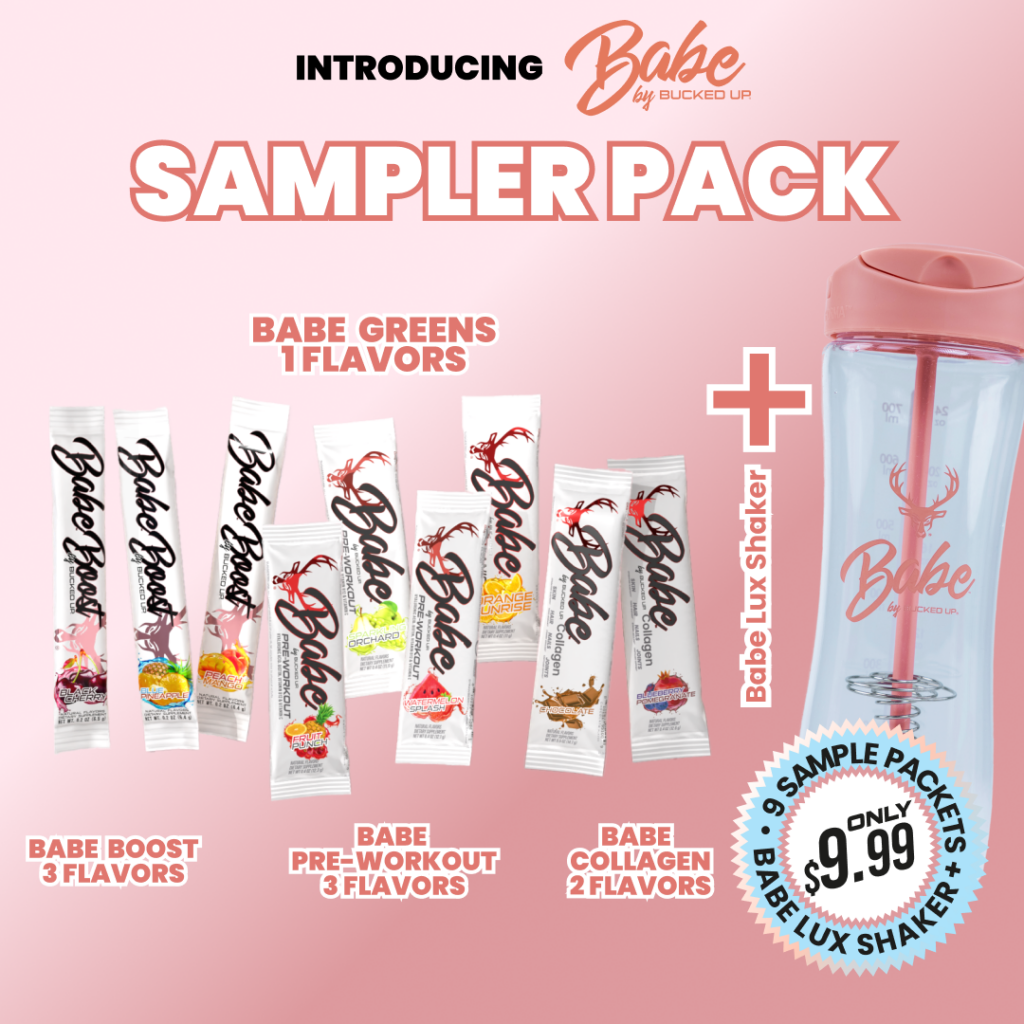
Review the linked sample offer if you want to inspect available options. Verify contents before purchase: a mixed sample kit may not include either product discussed above. Taste and immediate tolerability are the questions sampling can help answer; long-term metabolic efficacy is not one of them.

Bottom line: InnoSlim has a defined botanical identity and a research program, but the most useful assessment stays specific about which outcomes have actually been studied.

Sources and label checks

Sources checked October 11, 2026. Compare the Supplement Facts on your exact product; formulas and offers can change.

Posted in Supplements | Tagged , , , , | Comments Off on InnoSlim: Ingredients, Human Research, and Marketing Limits