Affiliate disclosure: We may earn a commission from purchases through the commercial links below.
Start with the reason for the hunger
Appetite-suppressant supplements are sold to reduce hunger or cravings, but the category contains very different ingredients and uneven evidence. Persistent hunger is not automatically a problem that needs a stronger supplement. It can also be a reason to review whether a food or training plan is meeting your needs.
Difficulty managing appetite deserves support without blame. If hunger, food preoccupation, or changes in eating are distressing, a qualified clinician or dietitian can help evaluate the situation. A commercial pre-workout is not a substitute for that conversation.
What evidence should an appetite claim have?
A convincing claim would ideally show an effect on hunger or food intake in a controlled human study using the relevant ingredient and dose. Claims about thermogenesis, glucose markers, or alertness answer different questions. They cannot simply be relabeled as proof that a product makes a dietary plan easier to follow.
NIH’s weight-loss supplement review describes generally limited evidence and important safety differences among ingredients. Even products that share a “natural” label should not be grouped together as equally effective or safe. Herbal extracts are not interchangeable with prescription treatments for weight management.
Common marketing shortcuts
- Testimonials: Someone eating less while also changing their routine cannot establish what the supplement caused.
- “No food noise”: A catchy description needs the same evidence as any appetite claim.
- Energy as appetite control: Feeling stimulated does not establish a sustainable eating benefit.
- Long ingredient lists: More components mean more to assess, not necessarily more useful effects.
Commercial comparisons, not an appetite-treatment plan
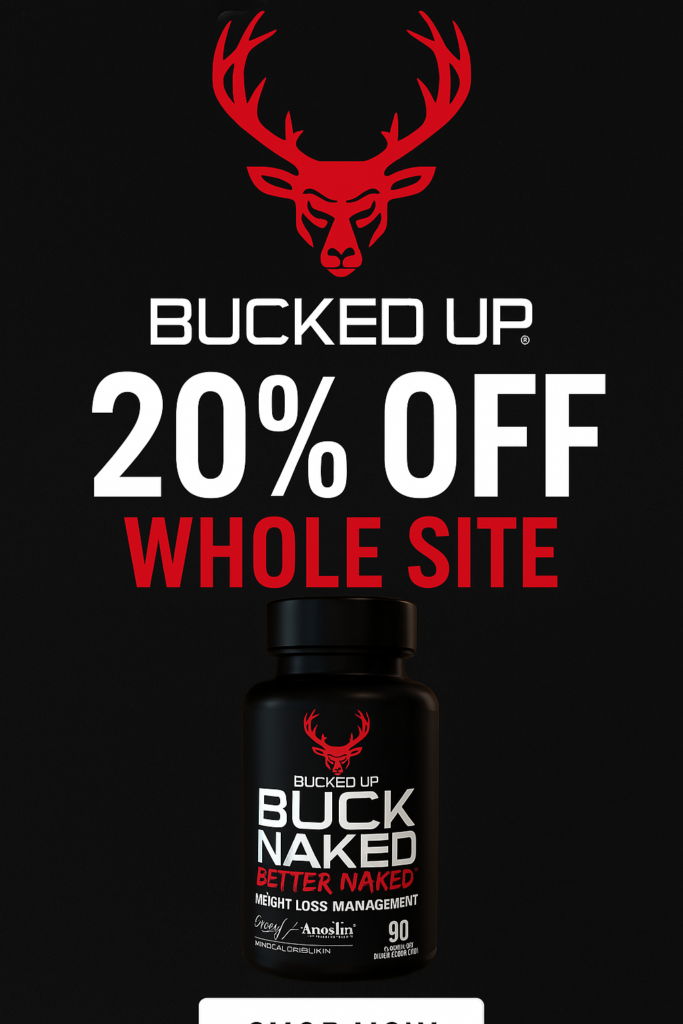
Buck Naked is sold for weight management. It contains paraxanthine, so it should not be assigned to a “non-stim day” merely because it has no caffeine.
LFG Burn is a caffeinated workout powder. Its thermogenic positioning does not establish that it reliably curbs cravings or should be taken for fasted cardio.
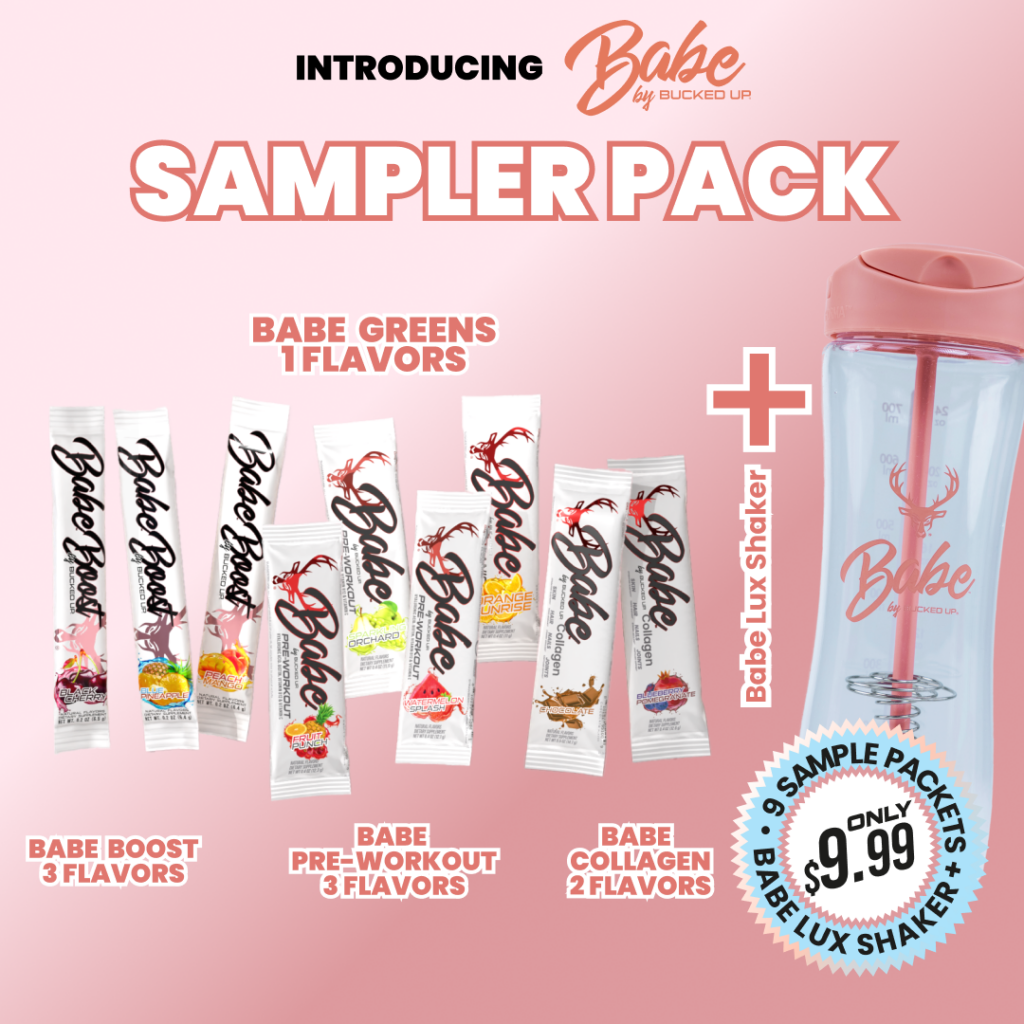
Babe Boost is another energy-oriented formula, with caffeine. It should not be presented as an automatically suitable evening appetite supplement. These are product comparisons, not instructions to combine or alternate them as a hunger-management stack.
Safety questions before spending money
List every energy drink, coffee, pre-workout, and weight-management product you already use. Read warnings before adding another. Ask a clinician or pharmacist about medication interactions and individual risk; the response to a small sample does not settle either question.
Do not increase doses to suppress normal hunger, replace meals with stimulant products, or interpret unpleasant symptoms as evidence that a supplement is working. Stop and seek medical advice when concerning symptoms occur. A product that makes it harder to eat adequately or sleep well is not a useful solution simply because its marketing emphasizes weight loss.
Check current Bucked Up offers if you still want to compare retail options. Confirm pricing and terms. The most important next step is choosing an approach appropriate to your needs, not finding the most forceful appetite claim.
Sources and label checks
- NIH: Weight-loss supplements
- FDA: Caffeine and individual sensitivity
- Bucked Up: Current Buck Naked product information
- Bucked Up: Current LFG Burn product information
- Bucked Up: Current Babe Boost product information
Sources checked October 11, 2026. Compare the Supplement Facts on your exact product; formulas and offers can change.