Affiliate disclosure: We may earn a commission through the product links below.
Methylcobalamin is a form of vitamin B12. B12 supports normal blood-cell formation and nervous-system function, but it is not a stimulant. Correcting low B12 and seeking an extra pre-workout energy boost are different goals.
Is methylcobalamin a better form?
NIH identifies methylcobalamin as an active B12 form; cyanocobalamin can be converted into active forms. NIH finds no evidence that supplement absorption differs by B12 form and no established advantage of sublingual over ordinary oral preparations. “Active” does not prove faster workout effects or a need to avoid cyanocobalamin.
The adult recommended dietary allowance is 2.4 mcg. That is a nutritional requirement, not a treatment dose. Higher deficiency-treatment doses are a separate clinical decision, and a large percentage of Daily Value does not establish better athletic performance.
Deficiency evidence is not an energy-drink claim
In a six-month randomized trial, 50 patients with low B12 after gastric bypass received oral methylcobalamin or injected hydroxocobalamin. B12 normalized in both groups. This supports a supervised treatment option for that population; it does not demonstrate that methylcobalamin boosts workouts in people whose B12 is already adequate.
NIH likewise notes no apparent performance or endurance benefit from supplemental B12 when nutritional status is sufficient. People avoiding animal foods, those with gastrointestinal disorders or surgery, and users of certain medicines may need particular attention to B12. Persistent fatigue warrants assessment rather than guessing the cause from a supplement advertisement.
What the linked formulas contain
Original Bucked Up Pre-Workout currently lists 100 mcg B12 as methylcobalamin and 200 mg caffeine per serving. It is important not to attribute every immediate sensation from a caffeinated mixture to its vitamin content. Review the current Original Bucked Up label for the complete formulation and warnings.
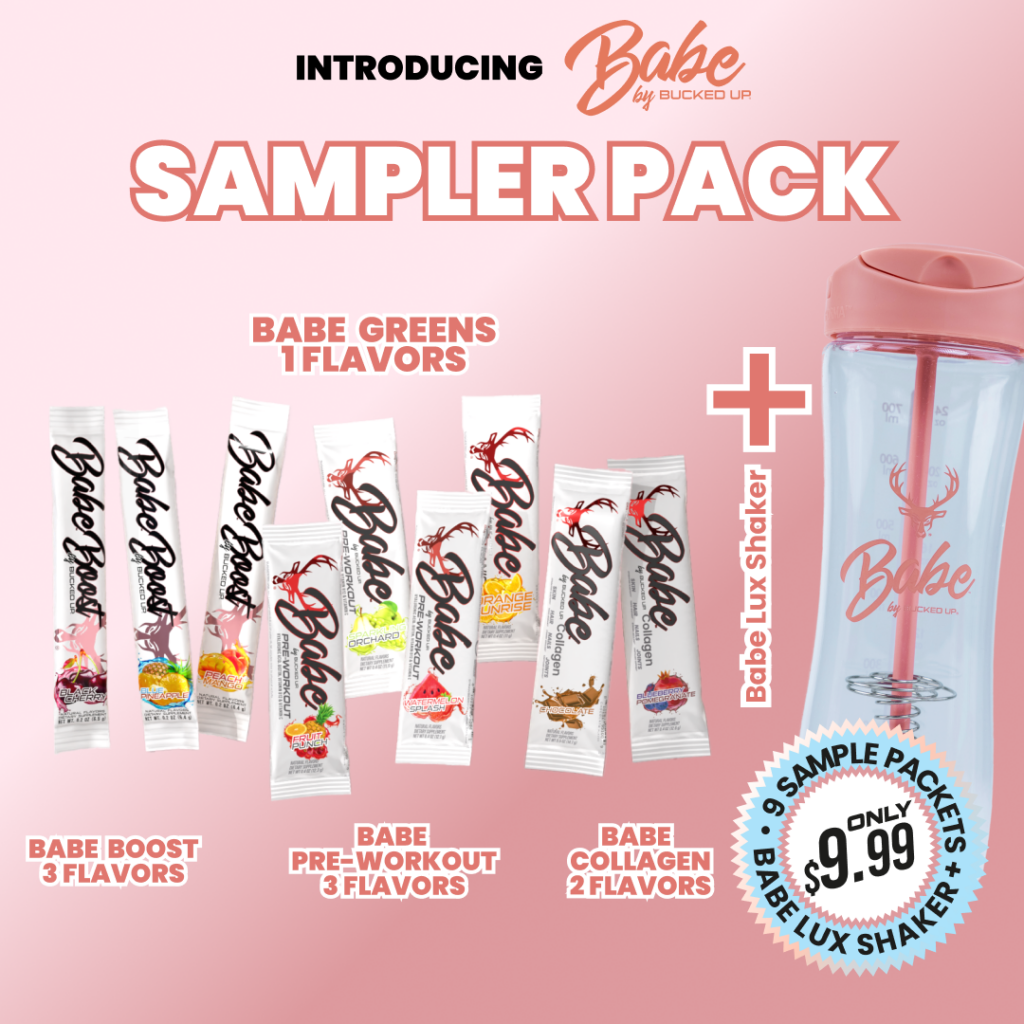
Babe Boost lists 24 mcg B12 and 120 mg caffeine per packet on its current product page. Its full ingredient information matters more than the word “energy.” The amount of B12 alone does not establish how alert you will feel or whether the product suits you.
How to make the decision
- If B12 intake or status is the concern, address that directly with appropriate dietary or clinical guidance. A multi-ingredient pre-workout is not a substitute for a deficiency plan.
- If the goal is an acute training boost, review the stimulant content, full formula and timing rather than treating B12 as the deciding feature.
- Do not take extra scoops to raise the vitamin dose: that also raises caffeine and every other ingredient.
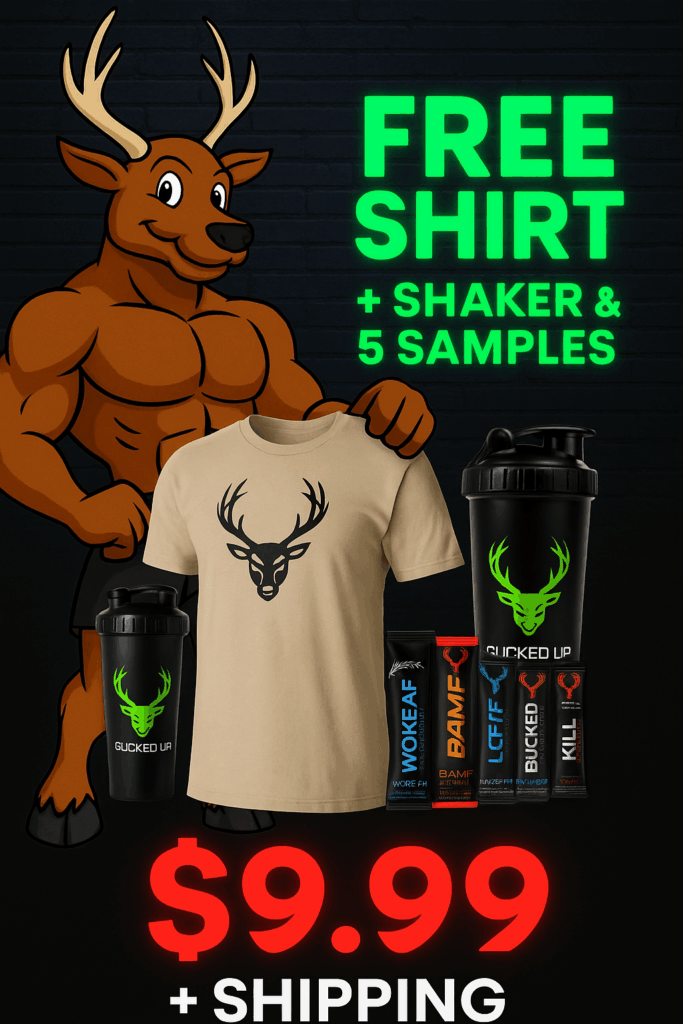
A Bucked Up sample offer can help you assess flavor and immediate tolerance of whatever it currently includes. It cannot diagnose low B12, test whether the vitamin corrects fatigue or prove longer-term recovery benefits.
Value and expectations
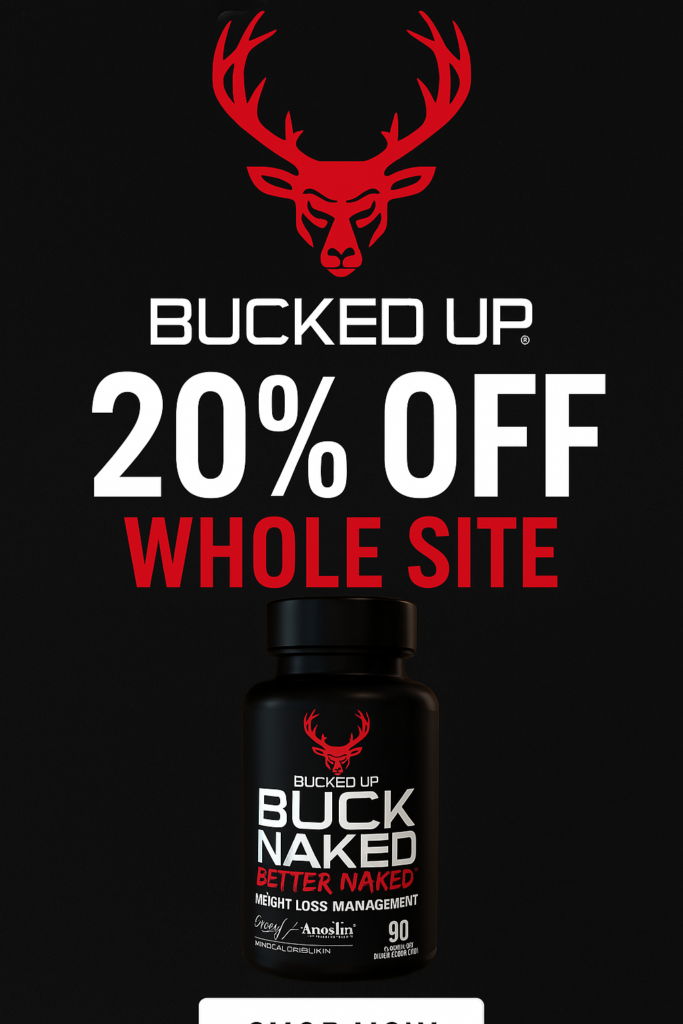
Check the current Bucked Up offer if a product otherwise fits your needs. Discount percentages, product eligibility and bundle contents can change, so inspect the final promotional terms before paying. Choose based on a relevant need and a suitable formula, not a promise that methylcobalamin is automatically faster, stronger or easier to use.