Affiliate disclosure: We may earn a commission if you buy through the commercial links in this article.
Whey protein before a workout can be a convenient way to meet your protein needs, especially when a meal is impractical. You do not need a special pre-training shake to make a workout count. First look at how much protein you eat across the day, where your meals fall, and what feels comfortable before exercise.
Start with your daily food intake
The NIH exercise-supplement fact sheet summarizes a daily protein range of roughly 1.2–2.0 g per kilogram of body weight for athletes. For a 70 kg adult, that is about 84–140 g across all foods and drinks, rather than an extra amount to add as powder. Individual needs vary with training and circumstances.
Meals containing dairy, eggs, fish, meat, soy, beans, or other protein foods can contribute. Look at an ordinary day’s intake before buying a supplement. If your meals already cover your needs, adding whey automatically may only add cost and calories. If there is a practical gap, a shake can be one convenient way to fill it.
Before or after: choose a workable routine
In a 10-week study of 21 resistance-trained men, consuming 25 g of protein immediately before versus immediately after training produced similar muscular adaptations. It was a small study in one population, but it does not support a compulsory narrow pre-workout window.
- A recent protein-containing meal: You may not need another serving immediately before lifting. Consider the rest of your day’s meals.
- A long gap since eating: A tolerable snack or shake before training may be practical, particularly if your next meal is also delayed.
- An uncomfortable stomach: Move the shake earlier or have protein afterward. There is little value in forcing a timing rule that makes exercise unpleasant.
For example, someone lifting after a normal lunch and eating dinner afterward may have no missing protein occasion. Someone training early and commuting for hours afterward might find a portable breakfast or shake more useful. The schedule, not the supplement slogan, should drive the decision.

The manufacturer’s product page linked in the photo above describes Buck Feed Original as providing 25 g protein per serving, primarily from whey isolate. That does not make it pure isolate or establish a special pre-workout advantage. Check the selected flavor’s label and account for anything you mix into the shake.
Does whey need a pre-workout stack?
Whey supplies protein. Adding Bucked Up Pre-Workout is a separate decision about that product’s ingredients and suitability; it is not necessary for protein to support your diet. The cited timing trial did not test a whey-and-stimulant stack or show that one guarantees better workouts.
Creatine monohydrate product details is another separate shopping option. Do not assume every useful ingredient needs to be purchased or taken together. Define the purpose of each supplement and avoid duplicating ingredients across products.
Check tolerance and the full label
Whey comes from milk. People with a milk allergy should avoid it, including whey isolate; FDA allergen guidance identifies whey as a milk ingredient. Review all ingredients and any other allergens. If you have a medical condition or have been advised to limit protein, get individualized guidance before changing your intake.
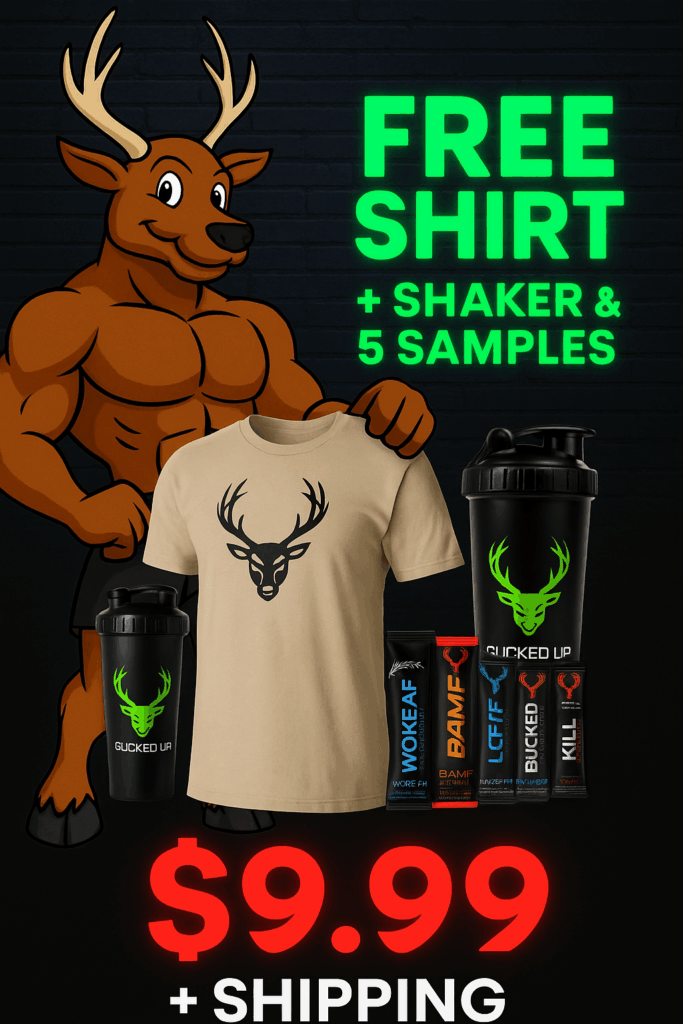
The existing Bucked Up offer link lets you check current offers. Verify checkout pricing and terms; no particular discount is promised.
Bottom line: Use whey when it makes an adequate, sustainable eating routine easier. Consistent meals, enough daily protein, and training matter more than racing to drink a branded shake at a particular minute.