Affiliate disclosure: We may earn a commission through the product links in this article.
Collagen supplements may help some people with joint symptoms, but “collagen for joints” is not one standardized treatment. Hydrolyzed peptides, gelatin and undenatured type II collagen differ, and their trial doses are not interchangeable. None should be presented as guaranteed cartilage repair or protection against lifting injuries.
Two preparations that are easy to confuse
Hydrolyzed collagen is broken down into peptides and is generally studied in gram quantities. Undenatured type II collagen retains a different structure and has been studied in much smaller amounts. The type number is not a ranking of product quality.
A bovine hydrolysate listing types I and III is not the same product as a chicken-derived undenatured type II preparation. Matching the word “collagen” is not enough to borrow a clinical result.
What human joint trials show
- Active people: A 24-week randomized trial used 10 g hydrolysate daily in athletes with activity-related joint discomfort. Selected pain measures improved. The study did not demonstrate fewer injuries or regrown cartilage.
- Knee osteoarthritis: A 180-day trial in 191 volunteers compared 40 mg daily of UC-II with placebo and another supplement combination. Symptoms improved more with UC-II on the main outcome. Its specific preparation, condition and manufacturer-affiliated authors matter when interpreting the result.
A person with diagnosed osteoarthritis, a runner with exercise-related discomfort and a lifter with a sudden swollen knee do not have the same clinical problem. Evidence for one group does not automatically supply a dose or recommendation for the others.
What a practical trial should look like
Start with the cause of the discomfort. If a qualified clinician considers supplementation reasonable, choose one formulation, follow its label and record a specific outcome, such as discomfort during a usual activity. Also record training load and other changes so improvement is not automatically credited to the powder.
The studies above ran for months, not one workout. There is no sound basis for promising results after a fixed number of scoops, taking more when pain flares or using collagen to train through a worsening injury. Ask for assessment of persistent pain, swelling, loss of function or symptoms after trauma.
How the linked products compare
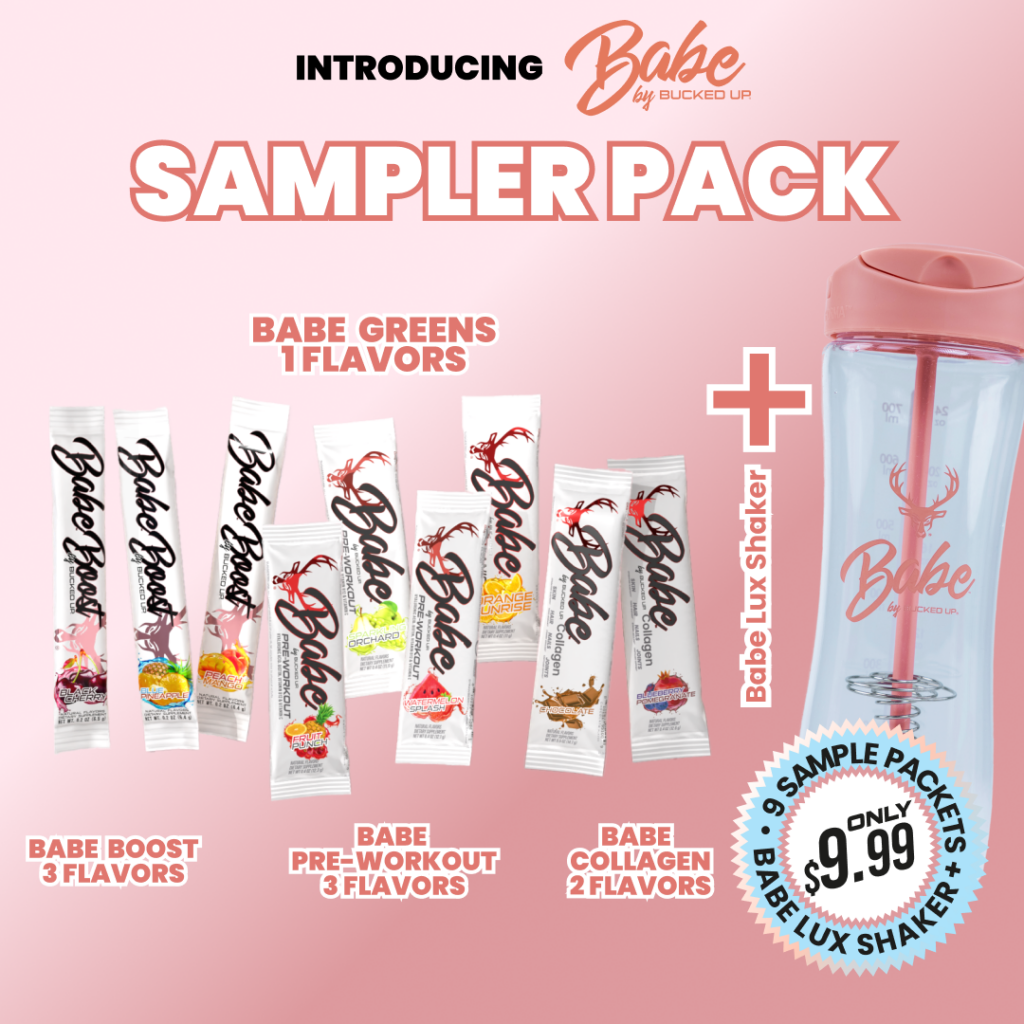
Babe Collagen is described by Bucked Up as a bovine hydrolysate, with 11 g collagen per serving. It belongs in the hydrolyzed category; it is not UC-II. The current product description does not make it the exact preparation studied in either trial above. Check the purchased label and animal source.
Deer Antler Velvet Spray is a different ingredient category and should not be promoted as a proven collagen partner for joint recovery. The collagen trials do not test that pairing. Drug-tested athletes should also read USADA’s warning about deer antler velvet and other natural products: these products can present anti-doping risks, and “natural” is not a guarantee of eligibility.
Bottom line
Collagen is an optional supplement with formulation-specific evidence for some symptom outcomes. It does not replace diagnosis, rehabilitation or appropriate load management. Compare cost per labeled serving, check allergies and medical suitability, and avoid adding several products at once. Review the current retailer offer if you decide to buy; no automatic discount or treatment result is promised.