Start with your reason for using a gym pre workout
A gym pre workout is optional. Decide what you want help with before comparing tubs: alertness for an early session, repeated high-intensity efforts, or a convenient supplement routine. Food, fluid intake, sleep, and a workable training program remain the foundation. A longer ingredient list does not establish that a product will improve your results.
Make the caffeine decision first
Read the caffeine amount for the serving you would actually use, including any two-scoop instructions. Add coffee, tea, energy drinks, and other caffeinated supplements to your daily total. For example, a 200 mg pre-workout plus two drinks containing 100 mg each already totals 400 mg.
The FDA’s 400 mg daily reference applies to most adults and is not a target or a personalized safety limit. Sensitivity, medications, and health conditions can change the picture. Jitters, palpitations, and disrupted sleep are reasons to reassess use. For evening training, consider skipping caffeine; check caffeine-free products for other stimulants too.
Match ingredients to a realistic purpose
- Caffeine: Can reduce fatigue and support some types of exercise performance. A bigger dose does not reliably mean a better session.
- Creatine monohydrate: Has substantial evidence for repeated, short, high-intensity efforts. Research commonly uses daily maintenance intakes of 3–5 grams after loading. Consistent use matters more than including it in a pre-workout drink.
- Beta-alanine: Studied as a regular, multiweek supplement, with mixed results across exercise tasks. Skin tingling is a side effect, not proof of an effective workout dose.
- Citrulline: Often included for blood-flow or pump claims, but NIH describes limited, inconsistent performance evidence. Check whether the label specifies L-citrulline or citrulline malate and the amount.
Use the label to compare value
Record serving size in grams, caffeine per serving, individually listed ingredient amounts, and servings per container. Calculate cost per serving you intend to take. A proprietary blend can prevent meaningful ingredient-dose comparisons, even when every ingredient is named.
If you compete, look for independent sport-focused certification and verify the exact product in the certifier’s directory. Certification can add assurance about contents and banned substances; it does not establish a performance benefit.
Keep your trial simple
Follow the product’s directions, avoid combining pre-workouts, and log the amount used alongside training quality and sleep. Compare similar sessions before deciding whether the purchase helps. Ask a clinician or pharmacist about suitability if you have a health condition, take medication, or are pregnant or breastfeeding.
Product pages and existing offers
These are affiliate links; we may earn a commission from qualifying purchases. Check current labels and checkout terms. Discounts, including any 20% offer or code SHAWTAYYYY7, are subject to eligibility and are not guaranteed.
- Original Bucked Up: compare the linked product or offer details before ordering.
- Black Ant: compare the linked product or offer details before ordering.
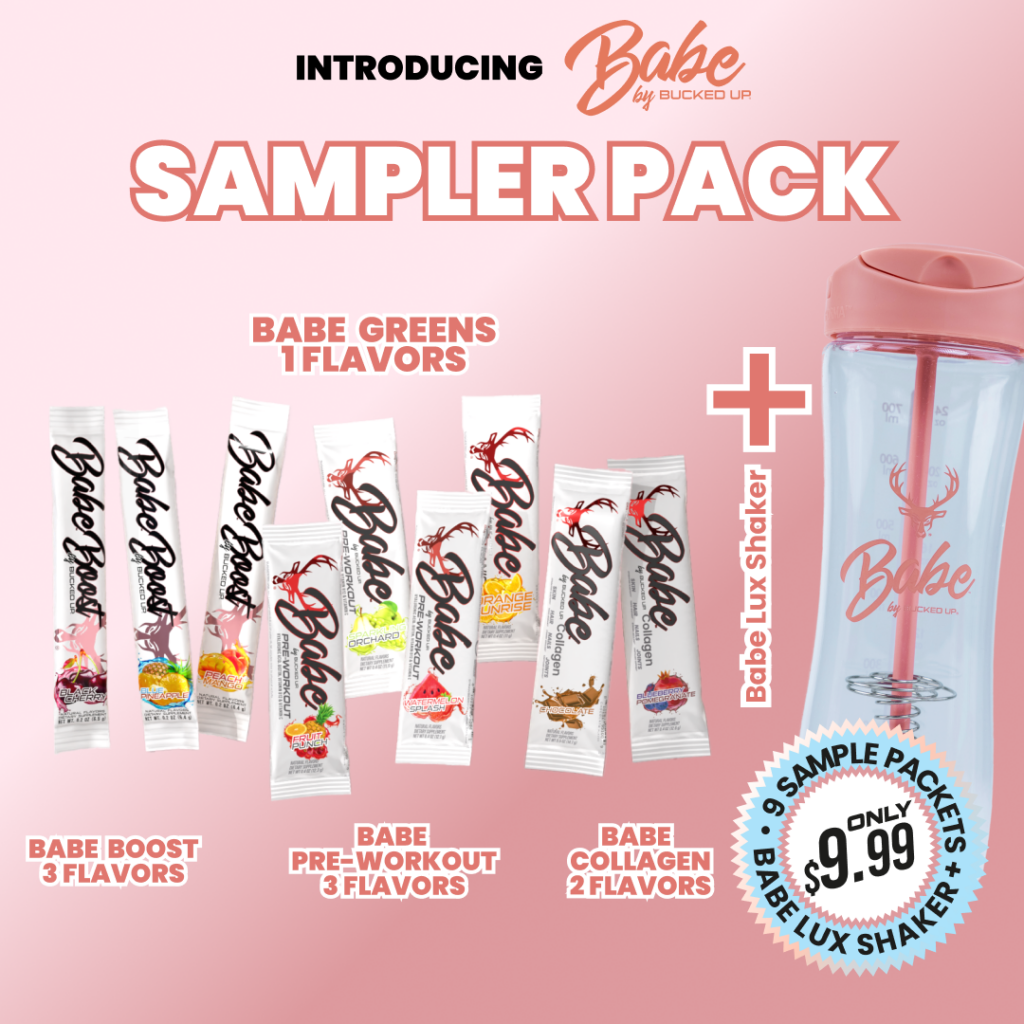
- larger sample-kit campaign
- Bucked Up store and current offers
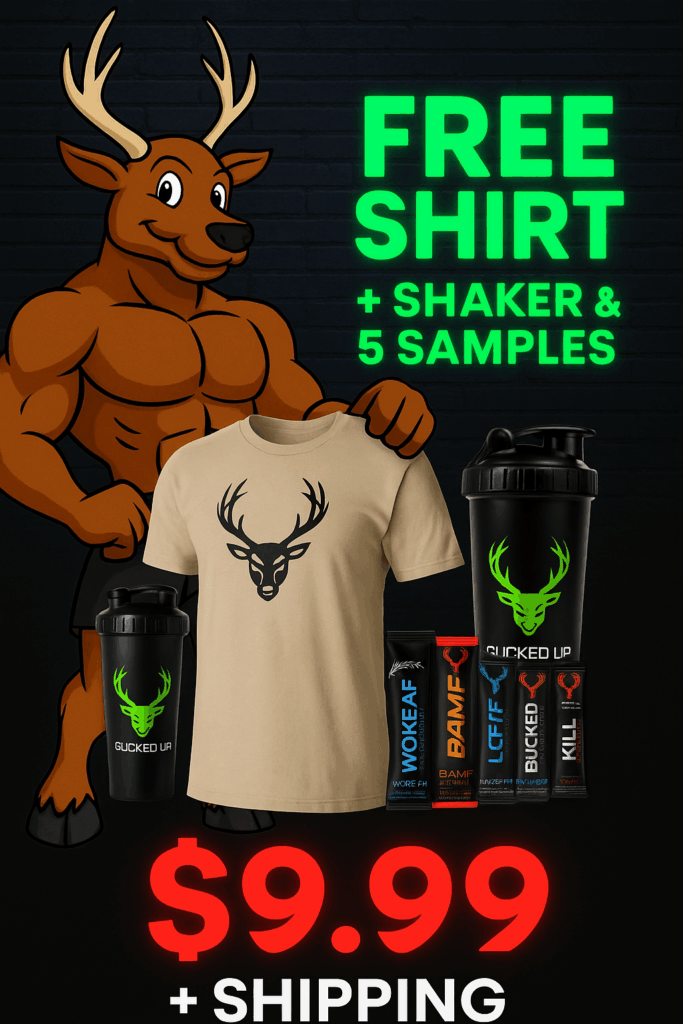
The larger sample-kit campaign is distinct from older three-sample or five-sample advertisements. Confirm current contents, shipping, customer eligibility and optional add-ons on its landing page.
Sources and review notes
Reviewed October 12, 2026. NIH Office of Dietary Supplements: Exercise and Athletic Performance. NIH Office of Dietary Supplements: Consumer Guide. FDA: How Much Caffeine Is Too Much?. This is editorial guidance based on identified labels and sources, not a report of personal product testing. Product versions and offers can change.