Affiliate disclosure: Bucked Up links in this article are affiliate links. We may earn a commission from purchases through them.
How to evaluate a healthy pre workout powder
A useful starting question is whether a particular powder suits your health, training, and routine. Words such as “clean,” “natural,” and “healthy” do not establish that a formula is safe for you. FDA does not approve dietary supplements for safety and effectiveness before sale. Its consumer guide to supplements recommends checking risks and following label directions.
Five checks before you buy
- Read the full label. Compare serving size and the quantities of ingredients you want. A blend’s total weight cannot tell you the amount of every ingredient within it.
- Count all caffeine. Include your usual drinks and other supplements. There is no universally “moderate” pre-workout dose that guarantees freedom from jitters or sleep problems.
- Separate an ingredient from a promise. Ask whether the evidence involves the same ingredient, amount, duration, and type of exercise.
- Check quality claims. Look up the exact product in any testing program it names. Independent quality testing does not guarantee that a product will be effective or safe for everyone, as NIH explains.
- Plan around your routine. Consider your bedtime, meals, other supplements, and budget before choosing a tub or subscription.
What common ingredients can and cannot tell you
Creatine has evidence for repeated high-intensity efforts. Beta-alanine research generally involves repeated use over weeks; its tingling sensation does not prove that a workout is improving. Citrulline’s performance evidence is mixed, and deer antler velvet has not demonstrated a reliable athletic benefit. These distinctions are covered in the NIH exercise-supplement fact sheet. An impressive-looking list is not proof of faster recovery.
Caffeine and personal suitability
FDA’s 400 mg daily reference for most adults includes all caffeine sources and is not a recommended dose to aim for. Individual sensitivity varies. A product described as natural can still disturb sleep. Read FDA’s caffeine advice and consider a genuinely caffeine-free option if caffeine does not suit your routine.
For pregnancy, breastfeeding, medication use, or an existing health condition, discuss the complete ingredient list with a qualified healthcare professional before use. Avoid treating a stimulant-free label as a guarantee that every other ingredient is appropriate. NIH’s safety guidance covers interactions and groups needing extra caution.
Bucked Up listings to evaluate with this checklist
Bucked Up Pre-Workout is one product to evaluate using its current label. This article does not certify it as healthier than another formula or promise better recovery. Review the current product listing for your chosen flavor and serving size.
Unavailable legacy listing: The older Bucked Up Non-Stim product link (currently unavailable) returned a missing-page response during this review. Its historical ingredient amounts and present availability could not be confirmed. The same legacy Non-Stim listing (currently unavailable) is retained for reference; do not rely on it as a working purchase route.
Buying decision and offers
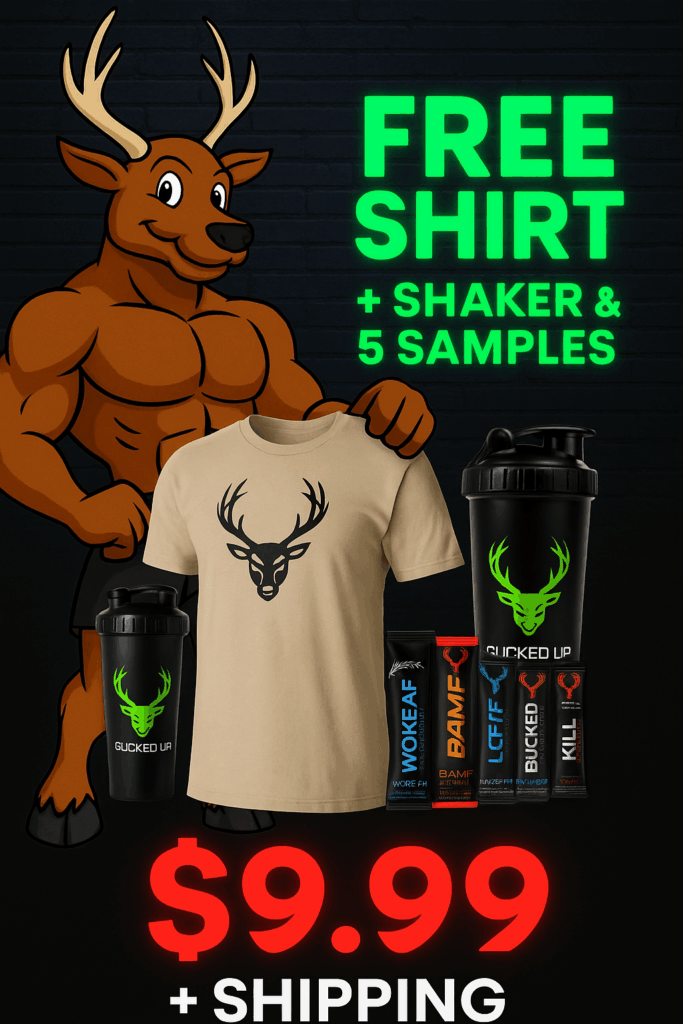
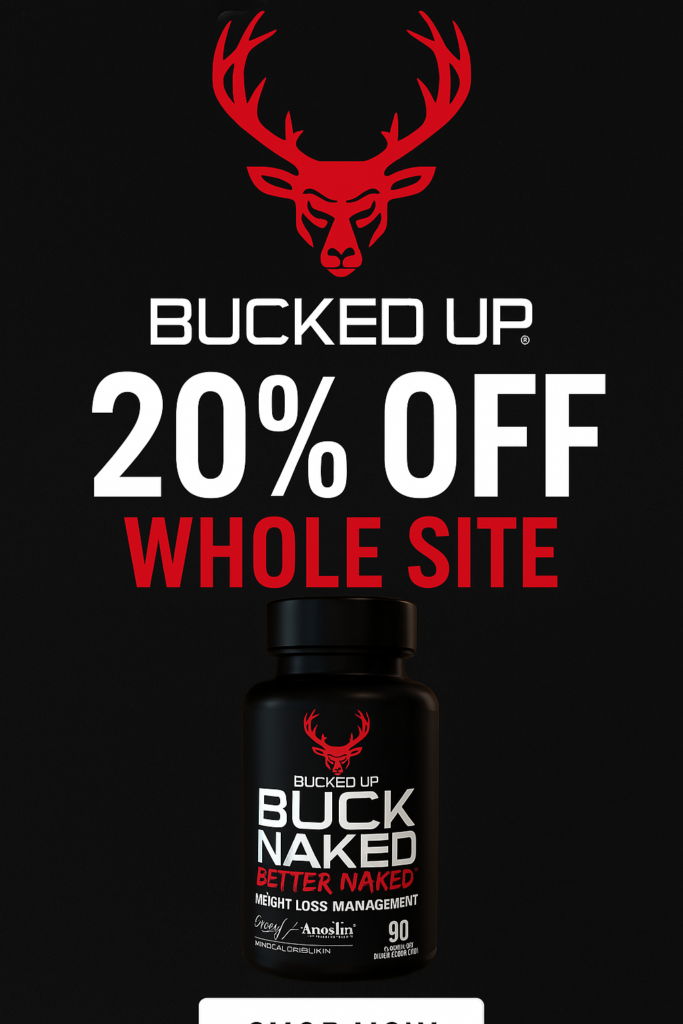
Check current Bucked Up offers. Verify any promotion in the cart; there is no confirmed automatic 20% sitewide guarantee in this guide.
A reasonable buying decision may be a simpler formula, a smaller purchase, or no pre-workout at all. Use the checklist to identify what information is missing before you spend money. Stop using a supplement and seek medical advice if you experience an adverse reaction, as FDA recommends.