Affiliate disclosure: We may earn a commission from purchases through links on this page.
“Natural energy” can describe very different products: coffee, tea, plant extracts, vitamins, or multi-ingredient workout powders. The phrase alone tells you little about the caffeine amount, stimulant effects, or evidence for a finished formula. Start with the ingredient panel rather than the front-of-package promise.

Natural caffeine still counts as caffeine
According to the FDA, naturally occurring and added caffeine do not differ in how the body handles them or their safety. Plant sourcing does not guarantee freedom from jitters or sleep disruption.
Food provides dietary energy. Caffeine can change alertness, but a stimulated feeling does not show that you have met your nutritional needs. Similarly, a vitamin or amino-acid listing does not by itself demonstrate sustained energy or improved workout recovery.
“Caffeine anhydrous” describes a water-free form of caffeine; the words alone do not identify whether the material originally came from a plant or another manufacturing route. A sourcing claim needs specific supporting information from the manufacturer.
Read the Bucked Up examples carefully
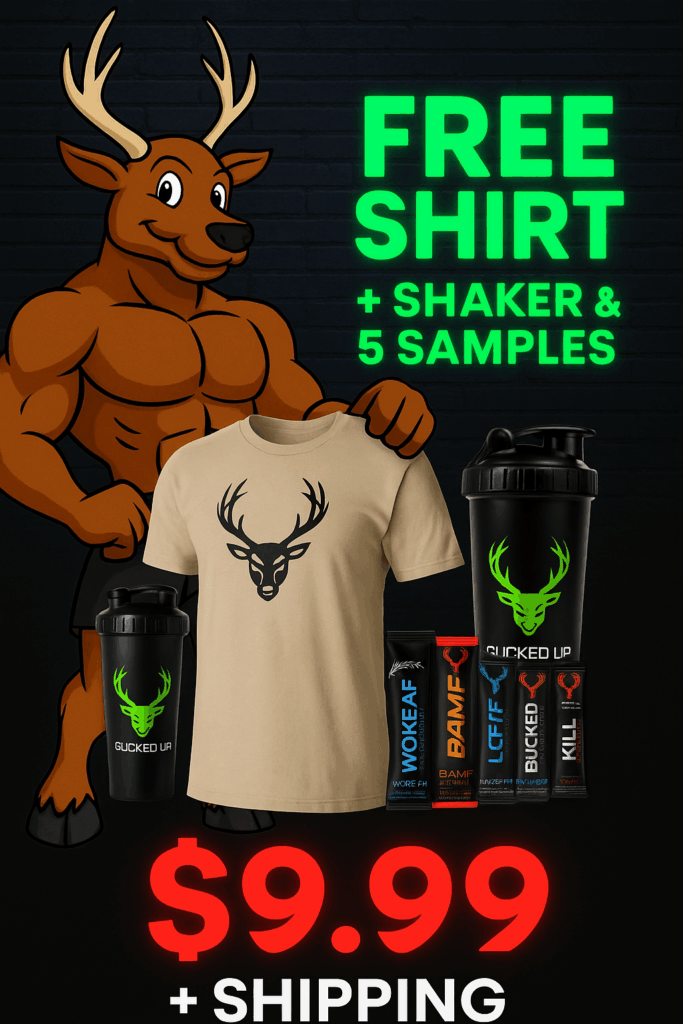
WOKE AF is a high-stimulant product, not evidence that natural sourcing is gentler. Its photographed Blue Raz bottle-back lists 333 mg caffeine anhydrous per 12.4 g scoop. Other official gallery information conflicts with that panel, so verify the exact version rather than generalizing this amount or ingredient list across flavors.
Bucked Up Original Pre-Workout: the identified Miami panel lists 200 mg caffeine anhydrous, 6 g citrulline malate in a 2:1 ratio, and 2 g beta-alanine per 10.6 g scoop. These label facts do not establish that its caffeine is plant-sourced, that every ingredient is natural, or that the formula prevents a crash.
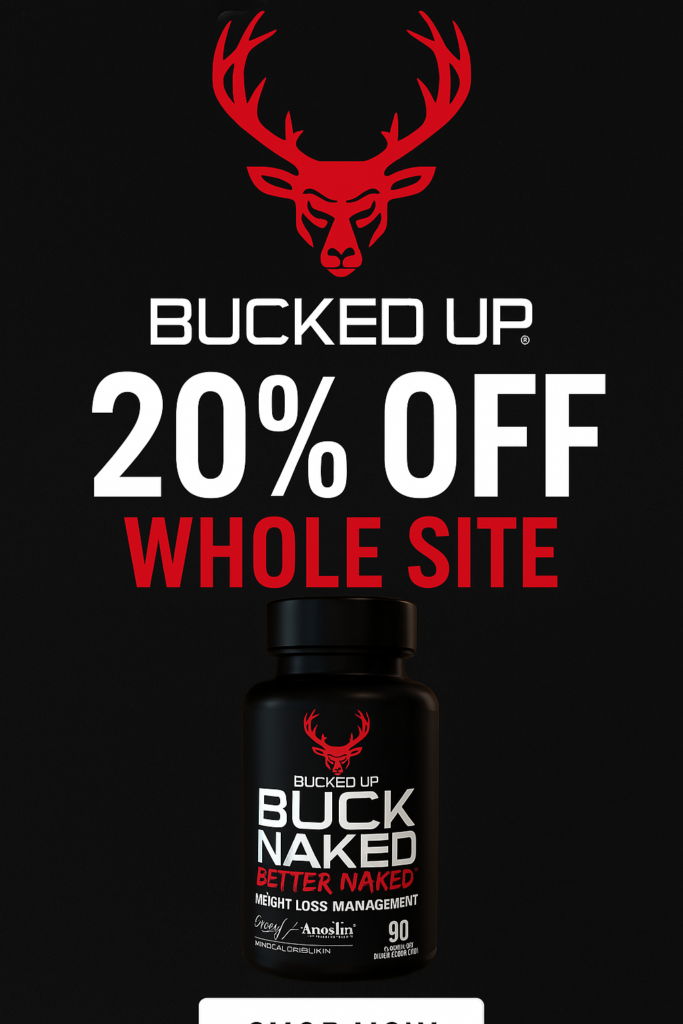
For Buck Naked, inspect the current selected product’s full ingredient list, caffeine declaration, directions, and restrictions. A thermogenic description does not establish dependable fat loss or make a product suitable as an all-day energy aid.
Ask what the research actually measured
A small caffeine-versus-coffee cycling trial found similar time-trial improvements with both caffeinated treatments, without different fat oxidation during steady cycling. These results do not substantiate a supplement’s body-fat-loss promise.
Useful questions include whether the study tested a single ingredient or the finished product, whether participants resembled you, and whether it measured a brief laboratory task or meaningful training progress. Marketing terms such as clean, natural, and no-crash cannot answer those questions.
Make the comparison practical
Record caffeine from all drinks and supplements, review other stimulants, and consider whether the product fits your usual training and sleep schedule. Check the individual label rather than assuming different products from one brand are intended to be combined.
The current Bucked Up offer page provides a place to compare purchase options after you have reviewed the selected formula. A promotional claim should be evaluated separately from the evidence for the product.
Product-label reference: manufacturer’s product page. Evidence reviewed October 10, 2026. Check current prices and offer terms at checkout.