A pre workout for energy and focus may make a session feel different, but “laser focus,” “clean energy,” and “no crash” are promises to examine carefully. Start by separating the caffeine amount from claims about the rest of the formula. Feeling stimulated and demonstrating better training performance are different outcomes.
Affiliate disclosure: We may earn a commission from purchases through the commercial links below.
Caffeine is the first number to compare
NIH’s evidence review describes caffeine’s ability to reduce perceived exertion and improve some exercise performance, with variable responses. A larger serving should not be assumed to provide a larger benefit.
Sleep belongs in that comparison. A controlled trial of 400 mg caffeine found sleep disruption even with a six-hour gap before bedtime. The study does not identify a sleep-safe dose or cutoff for everyone, but it challenges the idea that pre-workout timing only matters until the last set.
Original Bucked Up and BAMF
Bucked Up Pre-Workout is listed by its manufacturer at 200 mg caffeine per serving. That is a product fact, not a guarantee of smooth energy or beginner suitability.

BAMF Pre-Workout is listed at 333 mg caffeine per serving on the manufacturer’s current page. Its full-formula FAQ lists both AlphaSize Alpha-GPC and Cognizin citicoline. Check the actual Supplement Facts panel for the version you are buying.
Read BAMF’s current product information rather than assuming more stimulant means better concentration. Neither listing establishes that the complete blend improves your technique or prevents jitters.
Read nootropic studies in context
A small alpha-GPC crossover study used 600 mg daily for six days in 13 men and found a lower-body isometric-force benefit; the upper-body result was not statistically significant. It did not establish all-day focus, better lifting technique, or effectiveness of these commercial blends.
Paraxanthine is another ingredient sometimes promoted as a caffeine alternative. A 12-person, seven-day crossover study found improvements in some cognitive tests and no significant side-effect differences between treatments. Such a small, short trial cannot establish long-term safety or a guarantee against jitters. A caffeine-free claim also does not, by itself, establish that a formula has no stimulating ingredients.
A practical way to choose
- Read the total serving, caffeine amount, other active ingredients, and warnings before considering flavors or promotional claims.
- Count caffeine from coffee, tea, energy drinks, and other products. Keep a written total rather than guessing.
- Track completed work, perceived effort, unwanted effects, and sleep across comparable sessions. Your notes can guide a purchase, but cannot prove cause and effect.
- Do not increase the serving simply because the initial sensation becomes less noticeable.
FDA notes that excess caffeine can cause palpitations, anxiety, and insomnia. Ask a healthcare professional about medication interactions, relevant conditions, or pregnancy. Read FDA’s caffeine guidance.
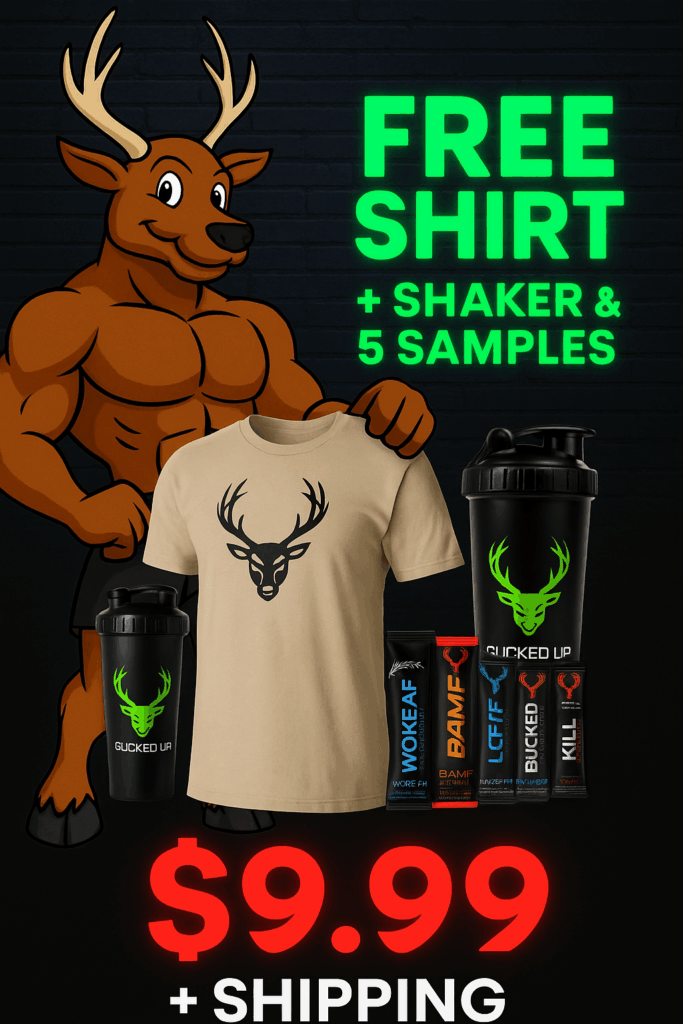
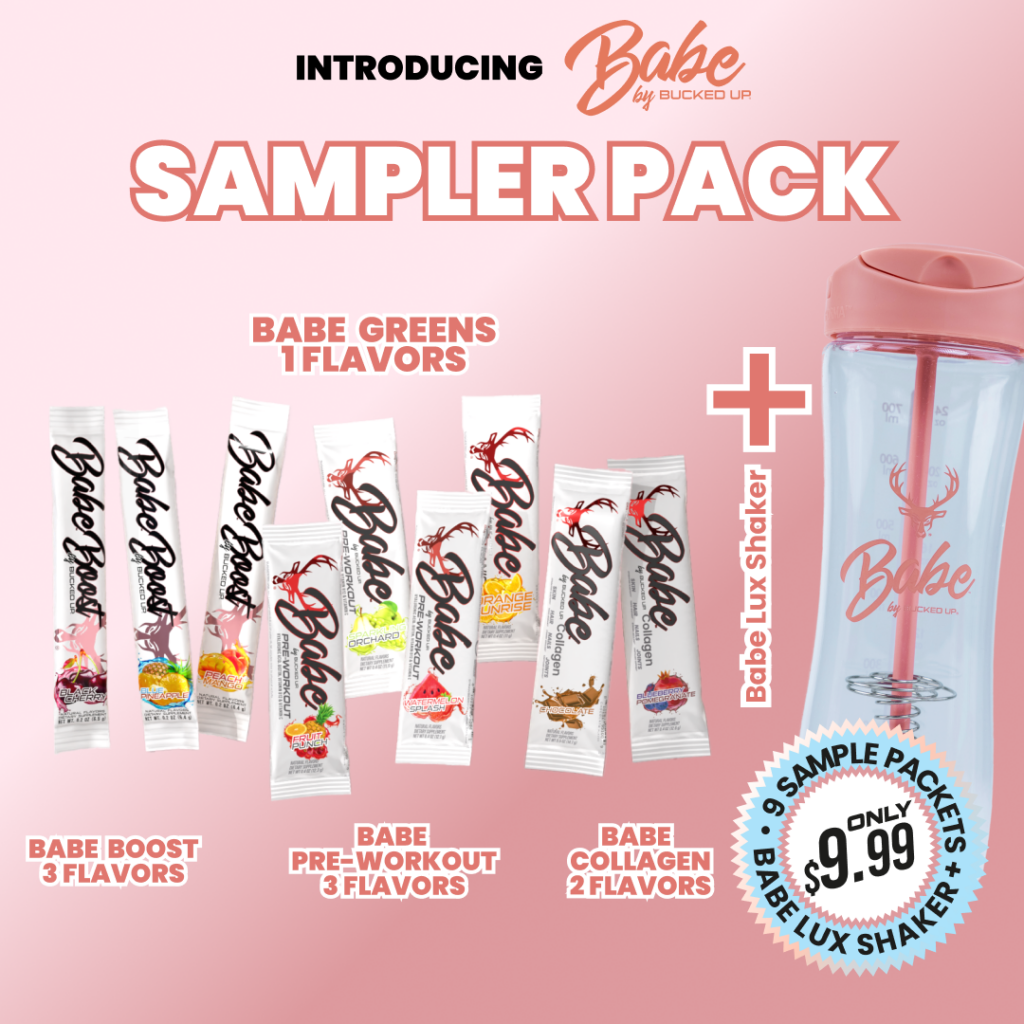
View the existing sample-pack listing if a smaller purchase is useful. Read each packet separately; samples are not a risk-free test.
Check the existing retailer offer. Confirm current contents, price, shipping, recurring terms, and any discount at checkout. There is no verified percentage-off promise here.