For teens, the starting point is food, fluids, training and rest rather than an adult pre-workout stack. A caffeine-free label does not establish that a multi-ingredient supplement is appropriate for a growing athlete.
Adult evidence is not automatically teen evidence
The American Academy of Pediatrics advises young athletes to focus on nutrition, conditioning and rest, and cautions about performance-enhancing supplements. Research in adults should not be presented as proof of a benefit for every younger athlete.
This applies to creatine as well as stimulant blends. The presence of a well-researched adult ingredient does not justify a routine teen dose in a general article. Decisions about a particular young athlete belong with a parent or guardian and a qualified healthcare professional who can review the circumstances.
Avoid turning a caffeine number into permission
FDA guidance reports that medical experts advise against energy drinks for children and teens. Caffeine can affect sleep and cause other unwanted symptoms. An arbitrary cutoff such as 100 milligrams should not be used to declare a teen pre-workout safe.
Do not combine stimulant powders, energy drinks or caffeine pills to chase an effect. Dry scooping is also not a way to improve a supplement; the AAP’s guidance warns about the risks of swallowing concentrated powder without mixing it as intended.
Useful questions for a professional review
- Is there a specific nutrition or medical problem to address?
- Is enough food and rest available for the training schedule?
- What medicines, supplements and caffeinated drinks are already being used?
- What does the complete product label say, including age restrictions?
- Would a sports dietitian help with meals and exercise fueling?
How to interpret the retained product references
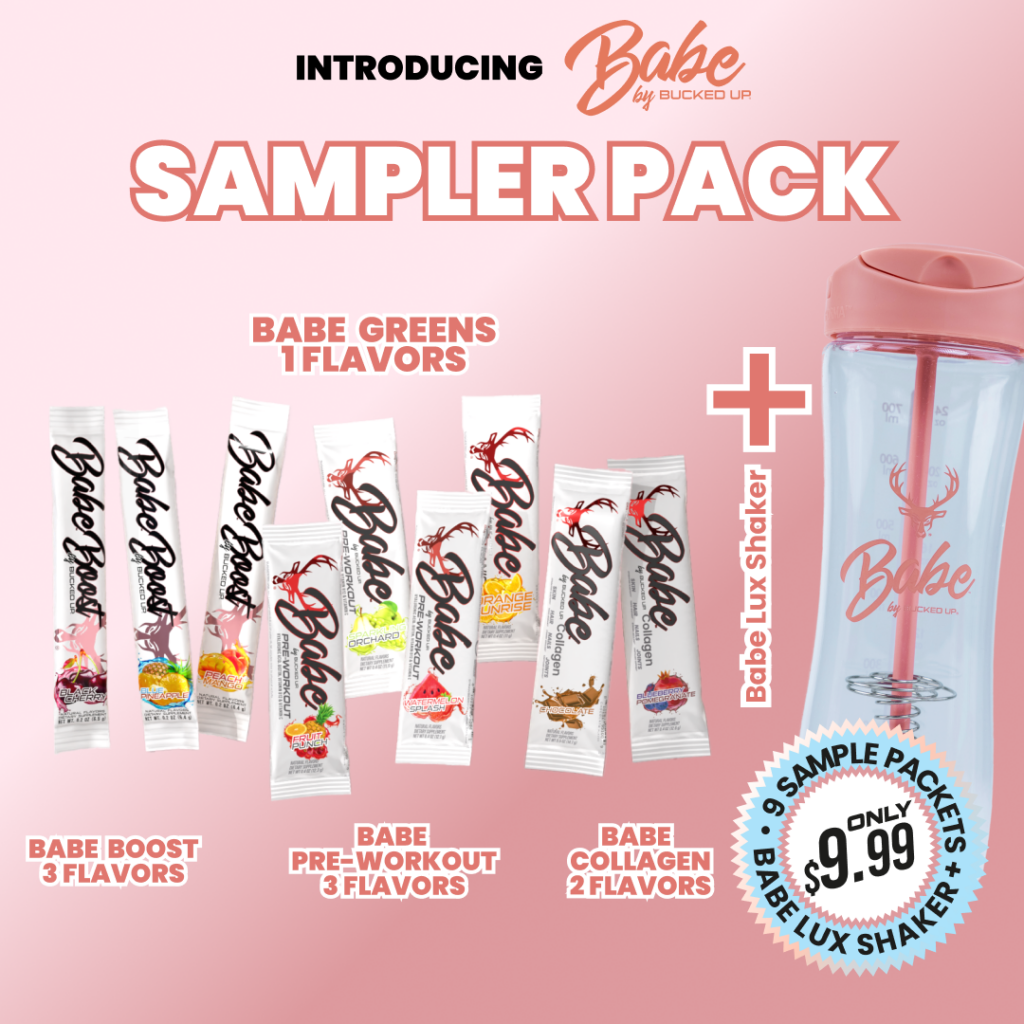
The creatine image and original referral links identify products mentioned in the older article. They are not recommendations for teens. The earlier claims that Non-Stim, creatine and hydration products safely fit teen training have been removed because branding and ingredient lists do not establish that conclusion.
Parents can use the actual labels as discussion material without buying a stack first. When a young athlete feels persistently tired or struggles with recovery, looking at training, food, sleep and possible health concerns is more useful than assuming a stronger supplement is needed.
Existing product references for adult label review
These are affiliate links; we may earn a commission from qualifying purchases. These links are retained for adult reference, not as recommendations for minors. No discount or product suitability is guaranteed.
- older Zero / Non-Stim page (unavailable at review)
- Creatine Monohydrate
- Manufacturer product page
- Bucked Up store and current offers
The older Zero / Non-Stim destination returned an unavailable page during review. Its exact referral link is retained, but it is not a verified working purchase option.
Sources and review notes
Reviewed October 13, 2026. American Academy of Pediatrics: sports supplements. FDA caffeine guidance. AAP: pre-workout and dry scooping. This is editorial guidance based on identified labels and sources, not a report of personal product testing. Product versions and offers can change.