Affiliate disclosure: We may earn a commission from purchases through links on this page.
A fat burner is marketed for weight management; a pre-workout is marketed for training. Their ingredients can overlap, so the name on the tub is only a starting point. If you are deciding between them, separate three questions: Will it help the workout, will it change body fat over time, and is the complete formula appropriate for you?

Start with the outcome you want
For exercise performance, caffeine has evidence for helping some activities and some people. A pre-workout blend needs its own assessment: the presence of a studied ingredient does not establish that every serving, combination or finished product works. The NIH exercise-supplement review describes both potential benefits and inconsistent findings.
For fat loss, look for studies measuring body composition over time, with a comparison group. A change in energy, appetite or a laboratory measure of metabolism answers a narrower question. Sustainable eating and activity habits remain the foundation of weight management, according to NIH guidance on weight-loss supplements.
What “thermogenic” actually tells you
Thermogenesis means heat production. A controlled human caffeine study measured increased energy expenditure over a short period. It did not establish sustained weight loss, and its results cannot validate a different multi-ingredient product.
Sweating is a cooling response, as MedlinePlus explains. A soaked shirt is therefore a poor way to judge a fat-loss supplement. Likewise, a strong stimulant sensation is not a measurement of strength, endurance or recovery. Evaluate the outcome you actually care about rather than how intense a product feels.
Combining products requires more than a caffeine check
Do not assume a fat burner and pre-workout are a useful or safe pair. Compare the complete labels for repeated ingredients and other stimulants. “Stimulant-free” does not rule out medication interactions or other risks; a pharmacist can review the combination alongside prescriptions and over-the-counter medicines.
Count caffeine from coffee, energy drinks and supplements together. The FDA cites 400 mg daily as an amount generally not associated with negative effects for most adults. It is not a target or a guarantee of personal tolerance. Palpitations, anxiety and sleep problems are reasons to stop and seek advice.
How to compare the linked options
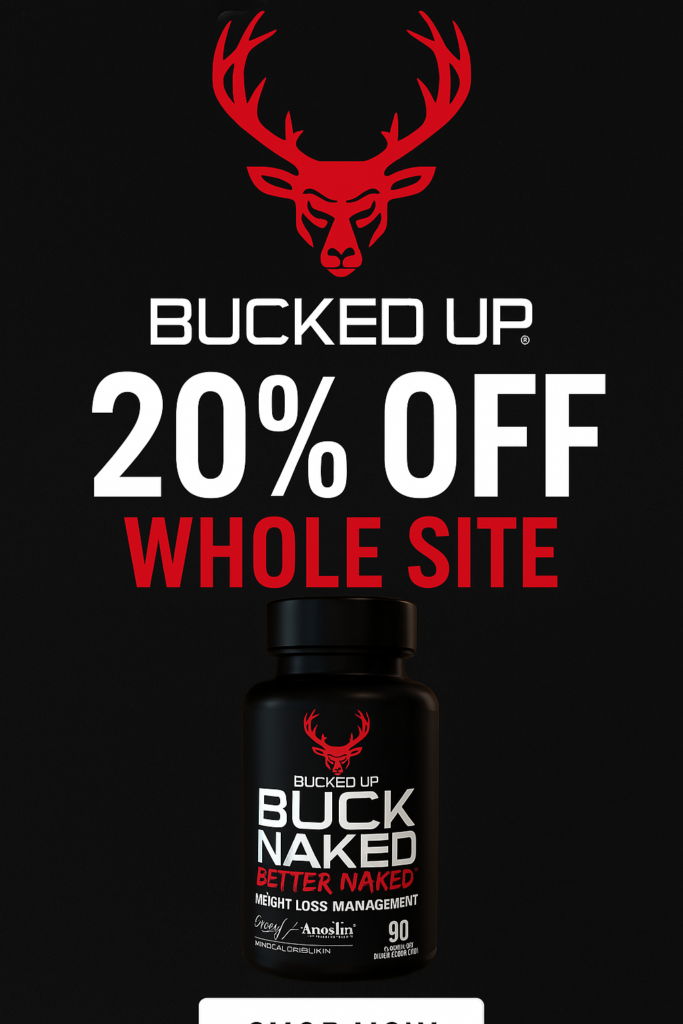
The LFG Burn product page, Original Bucked Up product page and Buck Naked product page provide places to check current labels. This article does not establish their present ingredients, stimulant content or effectiveness. Match the exact version and serving size to the label on the product you would receive.
Before buying, ask whether the evidence covers the finished formula, what benefit would justify the cost, and whether a simpler approach meets your goal. Check any available independent testing, while remembering that identity or contamination testing does not prove fat loss. The Bucked Up shop link is provided for browsing; current prices and offer terms must be checked there.
If weight management is the priority, skipping both categories is a reasonable choice. If fatigue keeps undermining training, review sleep, meals and recovery rather than repeatedly increasing supplement use. Bring persistent unexplained fatigue to a health professional.
Evidence reviewed October 10, 2026. This article is general information, not individualized medical advice. Confirm the current product label and purchase terms before buying.