What should a workout energy drink do?
Workout energy drinks usually aim to increase alertness through caffeine. Decide whether you need stimulation, carbohydrate fuel or fluid replacement before choosing one. Those needs overlap during exercise, but a colorful can or a long ingredient list does not tell you which job a drink actually performs.
Separate alertness, food energy and hydration
Caffeine is a stimulant. Carbohydrates supply usable food energy, while water and electrolytes help replace exercise-related losses. A zero-calorie energy drink contributes essentially no carbohydrate fuel. Traditional sports drinks typically combine fluid, electrolytes and carbohydrate; read the label because sugar-free and caffeinated variations also exist.
MedlinePlus guidance on athletic nutrition says water is most often sufficient for workouts lasting less than 60 minutes. Longer, demanding sessions can require additional carbohydrates. NIH’s electrolyte guidance notes that food and water replace ordinary losses for most healthy people, while prolonged exercise or hot, humid conditions may justify electrolyte drinks. Match your plan to duration, weather and sweat losses.
Make a whole-day caffeine budget
- Read the whole-can amount: check container size and servings rather than comparing front-label numbers alone.
- Add every source: include coffee, tea, energy drinks, pre-workouts and caffeine-containing medicines.
- Avoid automatic stacking: a 300 mg can plus a 150 mg supplement totals 450 mg before any other sources.
The FDA’s 400 mg daily reference applies to most adults and is neither a goal nor assurance of individual tolerance. Some people need substantially less. Children and teens should avoid energy drinks; discuss caffeine with a clinician during pregnancy, breastfeeding, medication use or relevant health conditions.
Protect sleep and scrutinize extra ingredients
The NIH exercise-supplement review describes caffeine’s half-life as about four to five hours. Its effects can therefore outlast the workout. For evening training, consider a caffeine-free option. Persistent tiredness deserves attention to sleep, meals and recovery rather than a routine increase in stimulants.
Do not assume added amino acids, B vitamins or botanical ingredients make a beverage a complete recovery product. Ingredient research does not automatically validate a finished blend, especially when quantities are undisclosed.
A ready-to-drink example
Bucked Up Energy’s 16-ounce cans are a zero-sugar example containing 300 mg caffeine per can. That substantial amount makes the caffeine calculation important. The manufacturer directs adults not to exceed one can daily and to avoid combining it with other caffeinated products. Compare the exact label, serving size and warnings before choosing any workout drink.
Product pages and existing offers
These are affiliate links; we may earn a commission from qualifying purchases. Check current labels and checkout terms. Discounts, including any 20% offer or code SHAWTAYYYY7, are subject to eligibility and are not guaranteed.
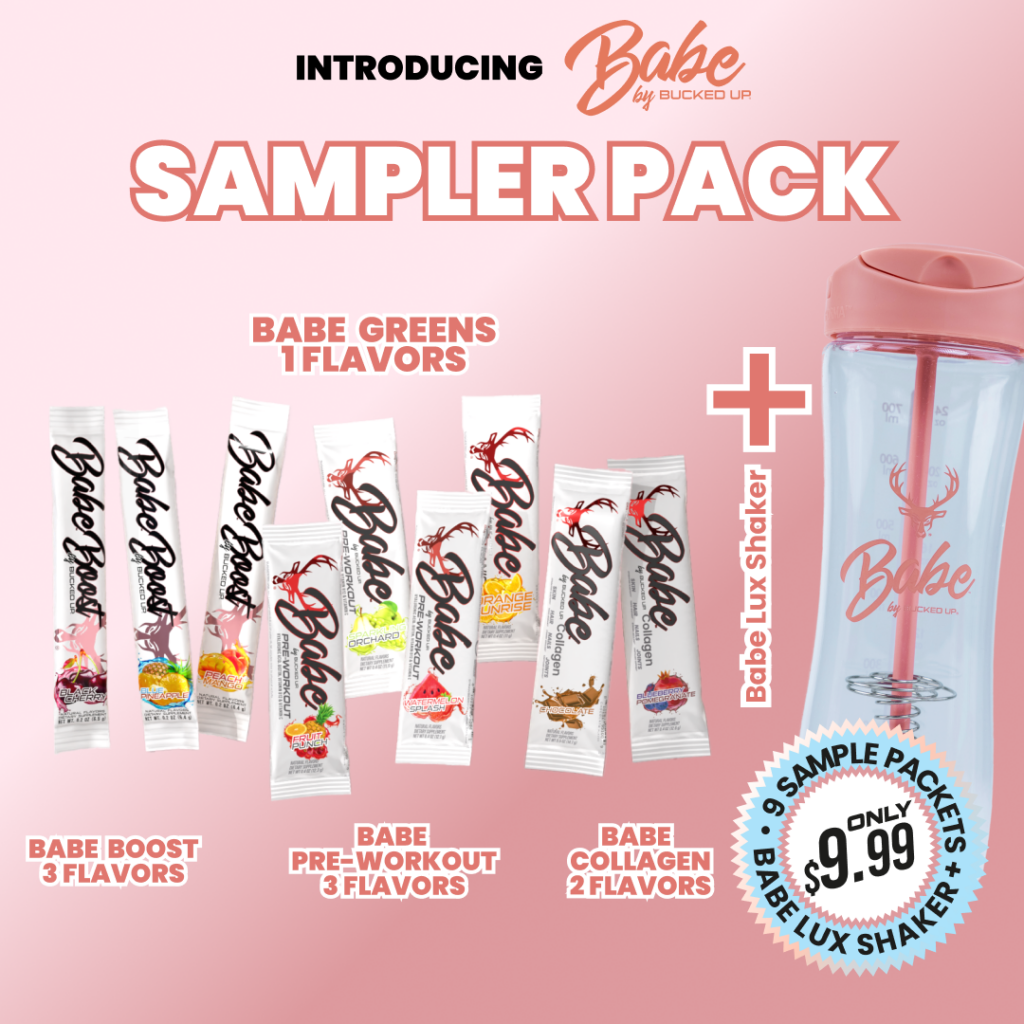
- Babe Boost: compare the linked product or offer details before ordering.
- Original Bucked Up: compare the linked product or offer details before ordering.
- Buck Naked: compare the linked product or offer details before ordering.
- older sampler campaign
- Bucked Up store and current offers
Sources and review notes
Reviewed October 12, 2026. MedlinePlus: Nutrition and Athletic Performance. NIH ODS: Electrolytes and Hydration, July 2026. FDA: How Much Caffeine Is Too Much?. NIH: Exercise and Athletic Performance Supplements. Bucked Up Energy Drink Variety Pack. This is editorial guidance based on identified labels and sources, not a report of personal product testing. Product versions and offers can change.